Welcome to the Comfort of Your Kitchen
Hey there, kitchen adventurers! I’m Ava, and today, we’re about to embark on a culinary journey that’s not just about filling our bellies, but also our hearts. We’re diving into a delightful recipe that brings family together: Mongolian Beef Mince Stir Fry. This dish is a hearty mix of savory, sweet, and just a hint of heat, creating a symphony of flavors that will make your taste buds dance. So, grab your spatula and let’s get cooking because this is one dish you won’t want to miss!
Why You’ll Love This Recipe
There are countless reasons to adore this Mongolian Beef Mince Stir Fry, but here are my top five:
- Quick and Easy: This dish comes together in under 30 minutes, making it perfect for those busy weeknights when you want something delicious without the fuss.
- Flavor Explosion: The combination of soy sauce, hoisin sauce, and brown sugar creates a rich, savory-sweet sauce that coats the beef beautifully.
- Family-Friendly: Even the pickiest eaters in your household will love this dish, thanks to its comforting flavors and satisfying textures.
- Customizable: Want to spice it up? You can easily add your favorite veggies or adjust the heat level to suit your taste.
- Meal Prep Friendly: Make a big batch and enjoy leftovers for lunch the next day—because let’s be honest, it tastes even better the next day!
Ingredient Breakdown
Let’s talk about the ingredients that make this dish shine. Here’s what you’ll need:
- 400 grams ground beef: Lean is best for a healthier option. You can substitute with turkey or chicken if you prefer.
- 1 medium onion: Finely chopped for sweetness and depth. Red onions add a lovely color!
- 3 cloves garlic: Minced to bring that aromatic flavor we all adore.
- 1 inch ginger: Fresh ginger adds a zing that perfectly complements the beef.
- 2 tablespoons soy sauce: This is the heart of our sauce, providing that umami goodness.
- 2 tablespoons hoisin sauce: Adds a sweet and savory depth—don’t skip this!
- 1 tablespoon brown sugar: Balances the salty soy sauce and enhances the flavors.
- 1 teaspoon red chili flakes: Optional, but they give a nice kick if you’re in the mood for heat!
- 2 tablespoons vegetable oil: For cooking; canola or peanut oil works well too.
- 2 stalks spring onions: Sliced for garnish—because we eat with our eyes first!
- 1 cup jasmine rice: Cooked, to serve as the base for this flavorful stir fry.
Pro Tips for the Perfect Stir Fry

Before we get into the cooking, here are some expert tips to elevate your dish:
- High heat is key: Stir-frying is all about quick cooking, so keep your heat high to get that perfect sear on the beef.
- Don’t overcrowd the pan: Cook in batches if necessary to avoid steaming the beef instead of browning it.
- Prep all ingredients first: Have everything chopped and ready to go since stir-frying happens quickly!
- Use a wok if you have one: The shape allows for better heat distribution and cooking efficiency.
- Adjust the sauce: Feel free to tweak the soy and hoisin ratios to suit your taste or dietary needs.
- Fresh herbs: Consider adding fresh cilantro or basil for a pop of freshness just before serving.
- Serve hot: Stir fry is best enjoyed immediately for that fresh, vibrant flavor.
- Have fun with textures: Add crispy vegetables like bell peppers or snap peas for added crunch!
Common Mistakes and Troubleshooting
Even the best chefs have off days! Here’s how to avoid common pitfalls:
- Overcooked beef: Monitor your cooking time; ground beef cooks quickly and can become tough if overdone.
- Too much sauce: If the dish is too saucy, add a bit more cooked rice to balance it out.
- Not enough flavor: Taste and adjust your sauces as they cook—don’t hesitate to add a little extra soy sauce or sugar!
- Burnt garlic: Keep an eye on garlic as it can burn quickly; add it right before the beef.
- Too spicy: If it’s too hot, add a splash of water or extra sugar to balance the heat.
Cooking Instructions
Now, let’s get down to business with the cooking process:
- First, cook the jasmine rice according to package instructions. Set aside.
- Heat the vegetable oil in a large pan over medium-high heat until shimmering.
- Add the chopped onion and stir-fry until translucent and aromatic, around 3 minutes.
- Next, add the minced garlic and ginger, continuing to stir-fry for another minute until fragrant.
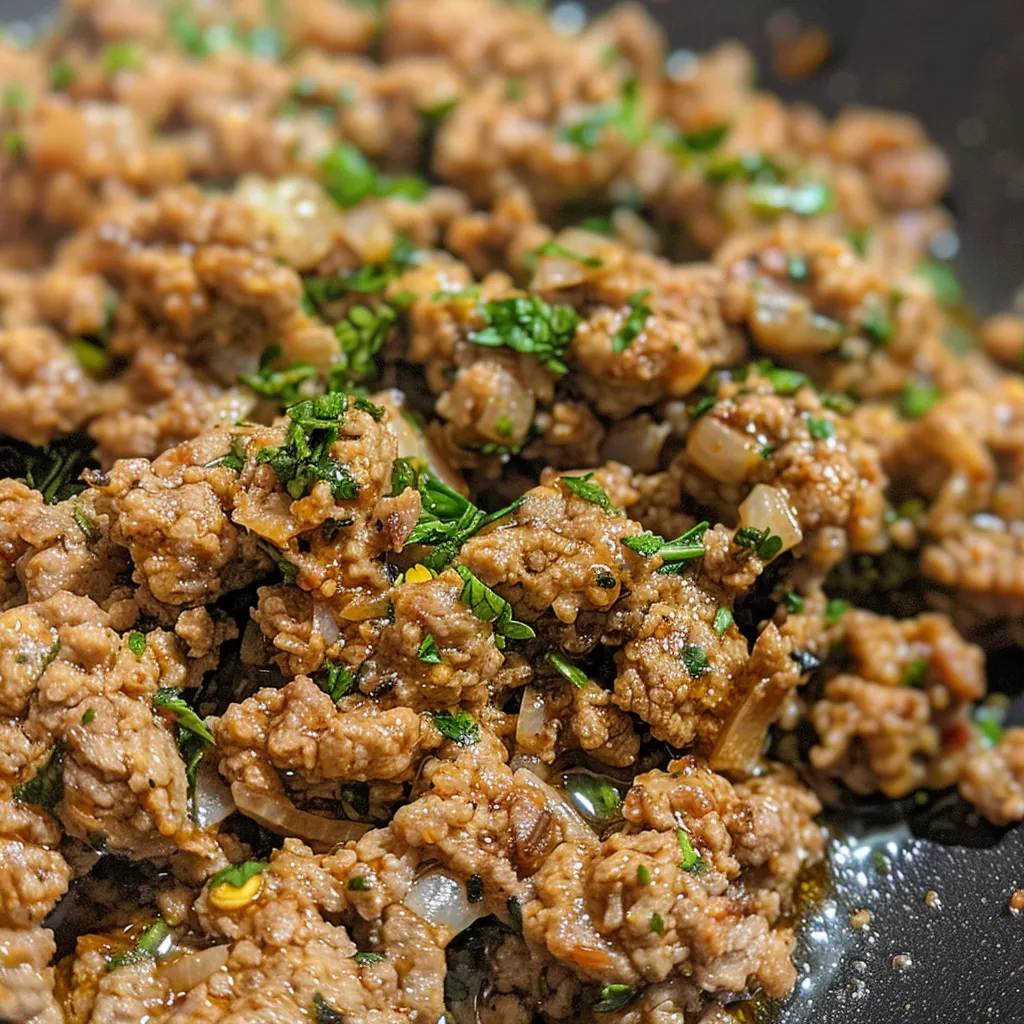
- Increase the heat to high and add the beef mince. Break it up with a spatula and cook until browned, ensuring any liquid has evaporated.
- Stir in the soy sauce, hoisin sauce, brown sugar, and red chili flakes. Cook for another 2 minutes until well combined and glossy.
- Serve the beef mince over cooked jasmine rice, garnished with sliced spring onions.
Delicious Variations to Try
Feeling adventurous? Here are some fun variations to switch things up:
- Mongolian Beef Tacos: Use the stir fry as a filling for soft tortillas, topped with fresh slaw.
- Vegetable-Loaded Stir Fry: Add bok choy, bell peppers, or carrots for a veggie-packed version.
- Spicy Mongolian Beef: Increase the red chili flakes or add a dash of sriracha for a fiery kick.
- Sweet and Sour Twist: Mix in pineapple chunks and bell peppers for a sweet and tangy flavor profile.
Storage and Make-Ahead Instructions
This dish is perfect for meal prep! Here’s how to store it:
- Refrigeration: Store leftovers in an airtight container in the fridge for up to 3 days.
- Freezing: Freeze in portions for up to 2 months. Thaw in the refrigerator before reheating.
- Reheating: Reheat gently in a pan over low heat, adding a splash of water if needed to revive the sauce.
Frequently Asked Questions
Got questions? I’ve got answers:
- Can I use ground turkey instead of beef? Absolutely! Ground turkey is a great lean alternative.
- What if I don’t have hoisin sauce? You can substitute with a mix of soy sauce and a bit of honey or sugar.
- Can I add veggies to this recipe? Yes! Bell peppers, broccoli, or snap peas are all excellent additions.
- How spicy is this dish? It’s customizable; the red chili flakes are optional, so adjust to your taste.
- Is this dish gluten-free? Use gluten-free soy sauce for a gluten-free version.
- How can I make this dish healthier? Opt for lean ground meat and load it with fresh vegetables.
- What can I serve with this dish? It pairs beautifully with jasmine rice, but quinoa or noodles are also great options.
- Can I make this ahead of time? Yes! You can prepare the beef mixture a day in advance and just reheat it when you’re ready to eat.
Nutritional Tips and Dietary Adaptations
For those watching their diet, here are some tips:
- Low-carb option: Serve over cauliflower rice or zucchini noodles for a lighter version.
- Dairy-free: This recipe is naturally dairy-free, making it suitable for most diets.
- Protein-packed: Feel free to add edamame or chickpeas for an extra protein boost.
Equipment Recommendations
Before you start cooking, here are some tools I recommend:
- Non-stick skillet or wok: Essential for even cooking and easy cleanup.
- Spatula: For breaking up the meat and stirring the ingredients.
- Rice cooker: Makes cooking perfect jasmine rice a breeze!
Serving Suggestions
Finally, let’s talk about how to make your dish shine:
- Garnish: Top with fresh cilantro or sesame seeds for added flavor and style.
- Pairing: A crisp cucumber salad on the side complements the richness of the beef.
- Presentation: Serve in colorful bowls to make the meal visually appealing!
Now that you’ve got all the tools and knowledge, it’s time to bring this dish to life! Share it with your loved ones, enjoy every bite, and don’t forget to savor the process. Cooking is a journey, and I’m thrilled you chose to take this one with me. Happy cooking, friends!
Mongolian Beef Mince Stir Fry
Ingredients
Meat
- 400 grams ground beef (minced beef) (preferably lean)
- 1 medium onion (finely chopped)
- 3 cloves garlic (minced)
- 1 inch ginger (peeled and minced)
- 2 tablespoons soy sauce
- 2 tablespoons Hoisin sauce
- 1 tablespoon brown sugar
- 1 teaspoon red chili flakes (optional, for heat)
- 2 tablespoons vegetable oil
- 2 stalks spring onions (sliced, for garnish)
- 1 cup jasmine rice (cooked, for serving)
Instructions
- Cook the jasmine rice according to package instructions.
- Heat oil in a large pan over medium-high heat. Add onion and stir-fry until translucent, about 3 minutes.
- Add garlic and ginger; cook for 1 minute until fragrant.
- Increase heat to high, add beef, and cook until browned and liquid evaporates.
- Stir in soy sauce, hoisin sauce, sugar, and chili flakes; cook for 2 minutes until glossy.
- Serve over rice, garnished with sliced spring onions.