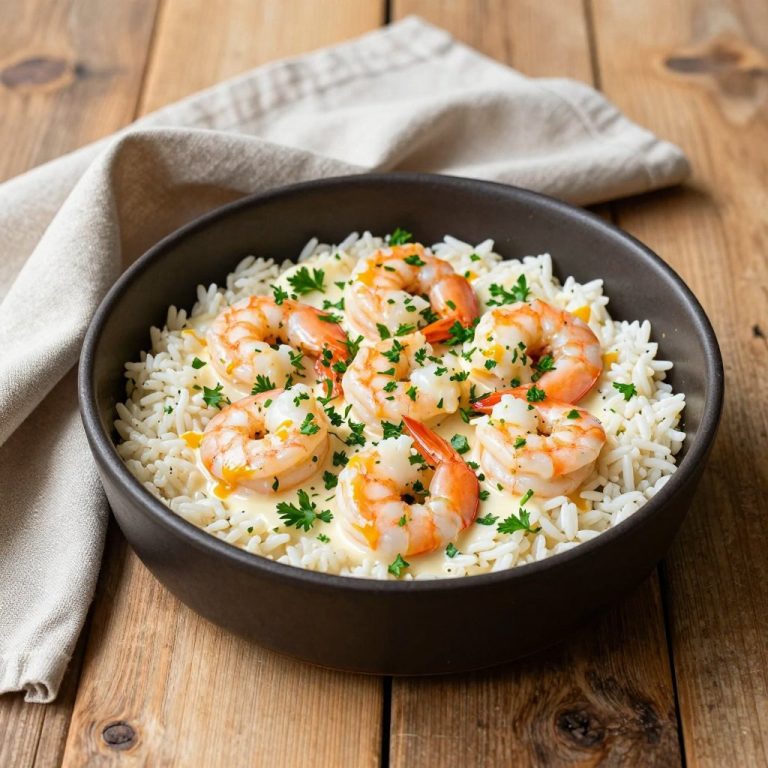
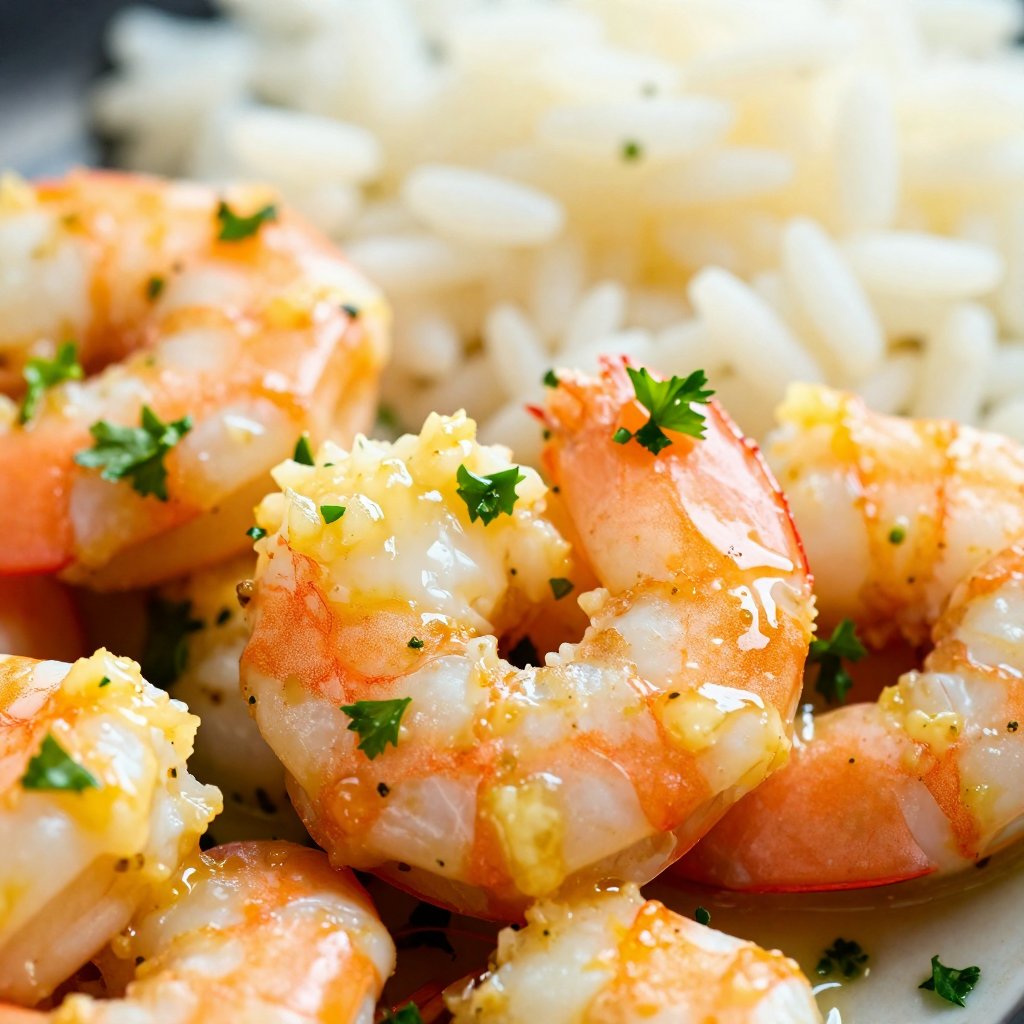
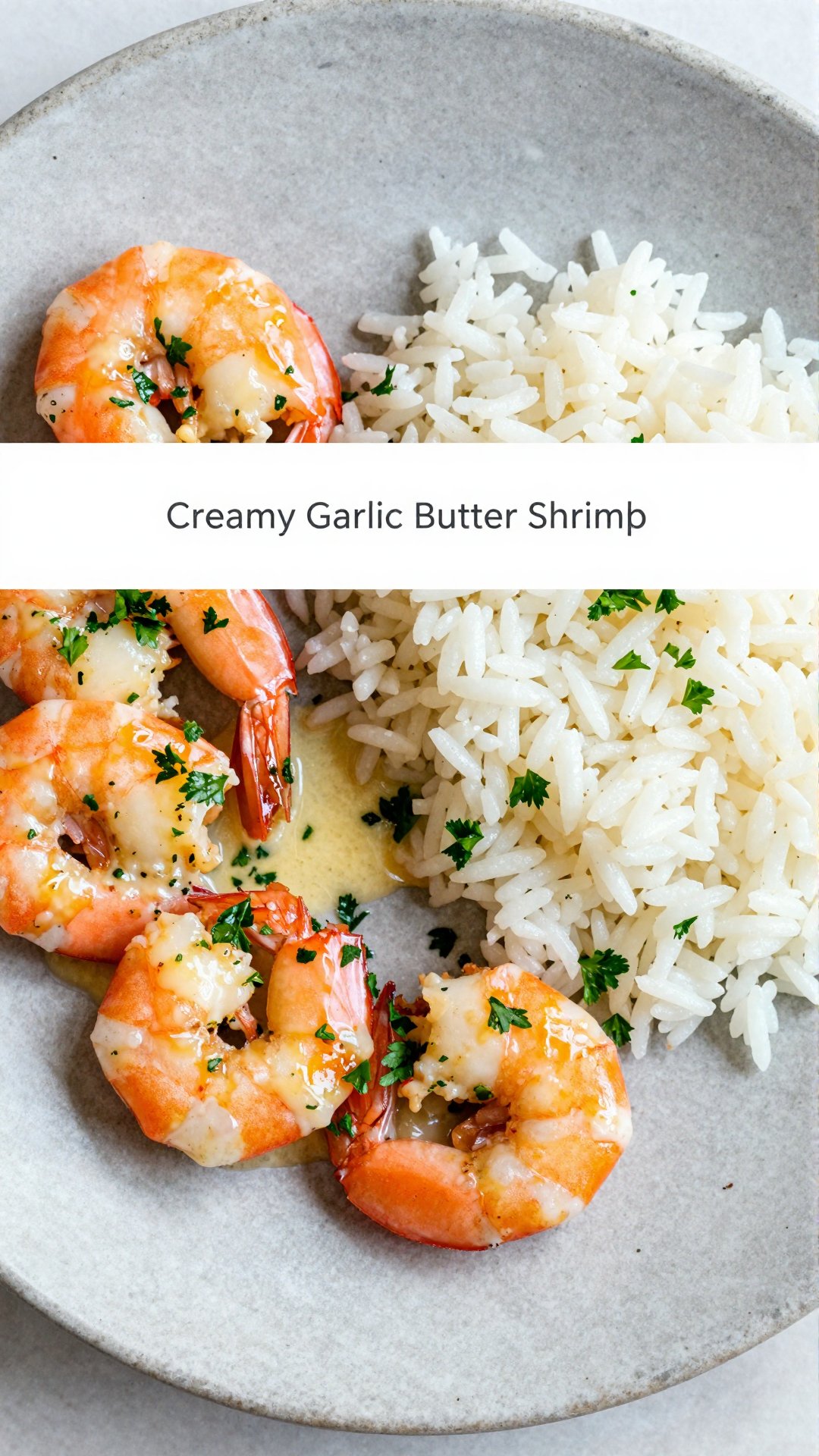
Hello, friends! Ava here, welcoming you into my cozy Seattle kitchen. If you’re anything like me, you’re always on the hunt for that perfect weeknight dinner – the kind that’s quick, easy, and makes everyone at the table sigh with contentment. Well, look no further! This Creamy Garlic Butter Shrimp with Rice is exactly that. It’s one of those dishes that feels both comforting and a little bit fancy, all while being incredibly simple to make. Trust me; you’re going to love it.
Growing up, my mom had a knack for turning simple ingredients into something extraordinary. This recipe is inspired by her philosophy – using fresh, flavorful components to create a dish that’s both satisfying and heartwarming. I remember one particularly hectic evening when she whipped up a similar dish with whatever we had on hand. It was a chaotic, laughter-filled meal, and that’s what I hope this recipe brings to your home – a little bit of joy and a whole lot of deliciousness.
Why You’ll Love This Creamy Garlic Butter Shrimp
Okay, let’s get real. Why should you spend your precious time making this particular shrimp dish? Here’s why:
Quick and Easy: Seriously, from start to finish, you’re looking at about 30 minutes. Perfect for those busy weeknights when you’re short on time.
Flavor Explosion: The combination of creamy garlic butter, succulent shrimp, and fluffy rice is simply divine. It’s a dance of flavors that will make your taste buds sing.
Versatile: This recipe is incredibly adaptable. Feel free to swap out ingredients based on what you have on hand or your dietary preferences. More on that later!
Comfort Food: There’s something incredibly comforting about a creamy, buttery dish served over a bed of warm rice. It’s like a warm hug in a bowl.
Crowd-Pleaser: Whether you’re cooking for your family, friends, or just yourself, this dish is guaranteed to be a hit.
I’ve made this recipe countless times, tweaking it here and there to get it just right. And now, I’m thrilled to share my perfected version with you. So, let’s dive into what you’ll need!
Ingredients for the Best Creamy Garlic Butter Shrimp
Here’s what you’ll need to create this culinary masterpiece. Remember, the quality of your ingredients will impact the final flavor, so try to use the freshest components you can find.
1 lb shrimp, peeled and deveined (A lean, protein-rich choice.)
2 tbsp butter, divided (Provides a rich flavor; can be replaced with olive oil for a dairy-free option.)
4 cloves garlic, minced (Adds depth and richness.)
2 cups cooked rice (You can use white, brown, or even cauliflower rice.)
1/2 tsp salt
1/4 tsp black pepper
1/2 tsp paprika
1/2 cup heavy cream or half-and-half (For a lighter version, consider using Greek yogurt.)
1/3 cup freshly grated parmesan cheese (Can replace with nutritional yeast for a dairy-free option.)
1 tsp lemon juice ((optional))
Fresh parsley or green onion, for garnish
How to Make Creamy Garlic Butter Shrimp with Rice: Step-by-Step
Alright, let’s get cooking! Here’s how to bring this delicious dish to life. Don’t worry; I’ll guide you through each step.
Prep the Shrimp: Ensure your shrimp are peeled, deveined, and patted dry. This helps them to get a nice sear.
Sauté the Garlic: In a large skillet, melt 1 tablespoon of butter over medium heat. Add the minced garlic and sauté for about 1-2 minutes, until fragrant. Be careful not to burn it!
Cook the Shrimp: Add the shrimp to the skillet, season with salt, pepper, and paprika. Cook for 2-3 minutes per side, until pink and opaque. Remove the shrimp from the skillet and set aside.
Make the Garlic Butter Sauce: In the same skillet, melt the remaining 1 tablespoon of butter. Add the heavy cream (or half-and-half) and parmesan cheese. Stir until the cheese is melted and the sauce is smooth and creamy. If using, stir in the lemon juice.
Combine and Serve: Add the cooked shrimp back into the skillet with the creamy garlic butter sauce. Toss to coat. Serve immediately over a bed of cooked rice. Garnish with fresh parsley or green onion.
And there you have it! A quick, easy, and incredibly flavorful Creamy Garlic Butter Shrimp with Rice. I promise, once you make this once, you’ll be adding it to your regular rotation.
Pro Tips for the Perfect Shrimp Dish
Want to take your shrimp game to the next level? Here are a few pro tips I’ve learned over the years:
Don’t Overcook the Shrimp: This is the cardinal rule of shrimp cooking. Overcooked shrimp are rubbery and not very appetizing. Cook them just until they turn pink and opaque.
Use Fresh Garlic: Freshly minced garlic will give you the best flavor. Avoid using jarred garlic if possible.
Pat the Shrimp Dry: This helps them to get a nice sear, which adds flavor and texture to the dish.
Adjust the Seasoning: Taste the sauce as you go and adjust the seasoning to your liking. Don’t be afraid to add a little extra salt, pepper, or paprika.
Warm Your Plates: This is a little trick I learned from a chef friend. Warming your plates before serving helps to keep the food warm longer.
Common Mistakes to Avoid
We all make mistakes in the kitchen, but here are a few common ones to watch out for when making this dish:
Burning the Garlic: Burnt garlic is bitter and can ruin the flavor of the dish. Keep a close eye on it while it’s sautéing.
Overcooking the Shrimp: As mentioned before, this is a big no-no.
Using Cold Rice: Cold rice will cool down the dish and make it less enjoyable. Make sure your rice is warm and fluffy.
Not Tasting as You Go: Seasoning is key to a flavorful dish. Make sure to taste the sauce as you go and adjust the seasoning to your liking.
Skipping the Garnish: A little bit of fresh parsley or green onion can add a pop of color and freshness to the dish.
Variations and Adaptations
One of the things I love most about this recipe is how versatile it is. Here are a few variations you can try:
Spicy Shrimp: Add a pinch of red pepper flakes to the sauce for a little heat.
Lemon Herb Shrimp: Add some lemon zest and fresh herbs like thyme or rosemary to the sauce.
Dairy-Free Shrimp: Use olive oil instead of butter and coconut cream instead of heavy cream. You can also use nutritional yeast instead of parmesan cheese.
Shrimp Scampi: Add a splash of white wine to the sauce for a classic shrimp scampi flavor.
Vegetable Medley: Add some sautéed vegetables like bell peppers, onions, or zucchini to the dish for extra nutrients and flavor.
How to Store and Reheat Leftovers
If you happen to have any leftovers (which is rare!), here’s how to store and reheat them:
Storage: Store the shrimp and rice in an airtight container in the refrigerator for up to 3 days.
Reheating: Reheat the shrimp and rice in a skillet over medium heat, stirring occasionally, until heated through. You can also microwave it, but be careful not to overcook the shrimp. Add a splash of water or broth to keep it moist.
Frequently Asked Questions (FAQ)
Got questions? I’ve got answers!
Can I use frozen shrimp?: Absolutely! Just make sure to thaw them completely before cooking. Pat them dry to remove excess moisture.
Can I use brown rice instead of white rice?: Yes, you can use any type of rice you like. Brown rice will add a nutty flavor and more fiber to the dish.
Can I make this dish ahead of time?: While the shrimp is best served fresh, you can prepare the rice and sauce ahead of time. Just cook the shrimp right before serving.
Can I add vegetables to this dish?: Of course! Feel free to add any vegetables you like. Sauté them before adding the shrimp and sauce.
Is this dish gluten-free?: Yes, this dish is naturally gluten-free. Just make sure to use gluten-free ingredients.
Serving Suggestions
This Creamy Garlic Butter Shrimp with Rice is a complete meal on its own, but here are a few serving suggestions to make it even more special:
Side Salad: Serve with a fresh green salad for a light and refreshing contrast.
Garlic Bread: Because who can resist garlic bread with a creamy shrimp dish?
Steamed Vegetables: Add some steamed broccoli or asparagus for extra nutrients.
Wine Pairing: A crisp white wine like Sauvignon Blanc or Pinot Grigio pairs perfectly with this dish.
And that’s it! I hope you enjoy this Creamy Garlic Butter Shrimp with Rice as much as I do. It’s a dish that’s close to my heart, and I’m so excited to share it with you. Happy cooking!
This recipe is a quick and comforting one pan meal. Whether you are looking for a quick and delicious dinner or something comforting, this butter shrimp with rice is sure to become a family favorite. Remember, the key is to balance the creamy texture to the fluffy rice. The combination of creamy garlic butter, succulent shrimp, and fluffy rice is simply divine. It’s a dance of flavors that will make your taste buds sing. The shrimp and rice create a satisfying and flavorful experience. You’re going to love this dish, and it’s easy to see why. The creamy garlic sauce, made with plenty of butter, elevates the shrimp with rice to a whole new level. With just a tablespoon of butter, this dish is rich and decadent. The shrimp and the garlic butter create a symphony of flavors. This dish is a quick and easy way to enjoy a delicious and satisfying meal. So, grab your skillet and let’s get cooking this butter shrimp!
This Creamy Garlic Butter Shrimp with Rice is a quick and easy weeknight meal that's packed with flavor. Tender shrimp are coated in a rich, garlicky butter sauce and served over fluffy rice.
Ingredients
Shrimp
1lbshrimp, peeled and deveined(A lean, protein-rich choice.)
Sauce
2tbspbutter, divided(Provides a rich flavor; can be replaced with olive oil for a dairy-free option.)
4clovesgarlic, minced(Adds depth and richness.)
Base
2cupscooked rice(You can use white, brown, or even cauliflower rice.)
Seasoning
0.5tspsalt
0.25tspblack pepper
0.5tsppaprika
Cream
0.5cupheavy cream or half-and-half(For a lighter version, consider using Greek yogurt.)
Cheese
0.333cupfreshly grated parmesan cheese(Can replace with nutritional yeast for a dairy-free option.)
Optional
1tsplemon juice((optional))
Garnish
Fresh parsley or green onion, for garnish
Instructions
Melt 1 tbsp butter in a large skillet over medium heat. Add shrimp, salt, pepper, and paprika. Cook until pink and opaque, about 3-5 minutes.
Remove shrimp from skillet and set aside. Add remaining 1 tbsp butter and minced garlic to the skillet. Cook until fragrant, about 1 minute.
Pour in heavy cream and parmesan cheese. Stir until cheese is melted and sauce is smooth. Add lemon juice, if using.
Return shrimp to the skillet and toss to coat with the sauce. Serve over rice and garnish with fresh parsley or green onion.
Notes
For a richer flavor, add a pinch of red pepper flakes to the garlic butter sauce.
Hey there, friend! Ava here, back in my Seattle kitchen, and today we’re diving headfirst into a dish that’s become a staple in my weekly rotation: Mediterranean Stuffed Sweet Potatoes. If you’re anything like me, you’re always on the lookout for meals that are both incredibly delicious and genuinely good for you. Well, buckle up, because this recipe ticks all the boxes. Imagine tender, slightly caramelized sweet potatoes overflowing with a vibrant, flavorful Mediterranean filling. It’s a symphony of textures and tastes, from the creamy sweet potato to the crunchy cucumber and the salty pop of Kalamata olives. Trust me; this is a dish you’ll want to make again and again. This Mediterranean Stuffed Sweet Potatoes recipe is a healthy and delicious meal that is perfect for a quick weeknight dinner. Packed with flavor and nutrients, these sweet potatoes are sure to become a family favorite.
Growing up in Oregon, sweet potatoes weren’t just a side dish; they were practically a way of life. My mom had a million different ways to prepare them, but this Mediterranean twist? This is all me. I wanted to create something that felt both comforting and exciting, something that brought together the best of the Mediterranean diet with the humble sweetness of a baked sweet potato. And let me tell you, the result is pure magic. Think of these as sweet potato boats, ready to sail you away to flavor town!
Why You’ll Love This Recipe
Okay, so why should you spend your precious time making these Mediterranean stuffed sweet potatoes? Let me count the ways:
Flavor Explosion: The combination of sweet potatoes, salty olives, tangy lemon juice, and fresh herbs is simply irresistible. It’s a party in your mouth!
Nutrient-Packed: Sweet potatoes are loaded with vitamins and fiber, while the Mediterranean filling brings in healthy fats, protein, and even more vitamins. It’s a win-win!
Easy Meal Prep: You can roast the sweet potatoes ahead of time and prep the filling, making this a super quick weeknight dinner. These mediterranean stuffed sweet potatoes are perfect for meal prep.
Versatile: Feel free to customize the filling with your favorite Mediterranean ingredients. The possibilities are endless!
Impressive Yet Simple: This dish looks fancy but is surprisingly easy to make. Perfect for impressing guests without spending hours in the kitchen.
Healthy Party Meals: This is a perfect choice for parties.
Healthy Winter Dishes: It’s warm and nutritious.
Veggie Rich Dinners: It’s packed with vegetables and nutrients.
Vegetable Rich Meals: A great way to incorporate more vegetables into your diet.
Easy Everyday Recipes: Simple and quick to prepare for any day of the week.
Recipes Pescatarian: Suitable for pescatarians as it contains no meat.
Vegetarian Dinner Recipes Healthy: A nutritious and satisfying vegetarian option.
Lunches With Sweet Potato: A perfect lunch option.
Mediterranean Sweet Potato Bowl: It can be served as a bowl.
Ingredients You’ll Need
‘4 medium sweet potatoes, scrubbed’
‘1 cup cherry tomatoes, halved’
‘1/2 cup cucumber, diced’
‘1/4 cup red onion, finely diced’
‘2 tbsp fresh parsley, chopped’
‘1 tbsp fresh mint, chopped (optional)’
‘1 cup canned chickpeas, rinsed and drained’
‘1/4 cup Kalamata olives, pitted and sliced’
‘2 tbsp extra virgin olive oil’
‘1 tbsp lemon juice’
‘1 clove garlic, minced’
‘1/2 tsp dried oregano’
‘Salt and black pepper, to taste’
‘1/2 cup feta cheese, crumbled’
Step-by-Step: Making Mediterranean Stuffed Sweet Potatoes
Alright, let’s get down to business! Here’s how to make these amazing Mediterranean stuffed sweet potatoes:
Roast the Sweet Potatoes: Preheat your oven to 400°F (200°C). Line a baking sheet with parchment paper. Prick the sweet potatoes several times with a fork. Place them on the prepared baking sheet and bake for 40 to 50 minutes, or until they are fork-tender. The sweet potatoes are done when you can easily pierce them with a fork.
Prep the Filling: While the sweet potatoes are roasting, combine the rinsed chickpeas, halved cherry tomatoes, diced cucumber, finely diced red onion, sliced Kalamata olives, crumbled feta cheese, chopped parsley, and optional chopped mint in a large bowl. It’s important to rinse the chickpeas to remove excess sodium.
Make the Dressing: In a small bowl, whisk together the extra virgin olive oil, lemon juice, minced garlic, dried oregano, salt, and black pepper. The dressing is key to bringing all the flavors together.
Combine: Pour the prepared dressing over the filling mixture and toss gently to coat all ingredients. Be gentle so you don’t crush the ingredients.
Stuff the Sweet Potatoes: Once the sweet potatoes are cooked, allow them to cool slightly. Slice each potato lengthwise down the center, taking care not to cut all the way through. Gently fluff the interior flesh with a fork. This creates more surface area for the filling.
Serve: Generously fill each prepared sweet potato half with the Mediterranean mixture. Serve the stuffed sweet potato boats immediately.
And that’s it! You’ve just created a culinary masterpiece. This dish is truly a celebration of flavors and textures. The combination of the the sweet potatoes with the Mediterranean filling is divine. This recipe is a testament to how simple ingredients can come together to create something truly special. This dish is packed with flavor!
Pro Tips for Perfect Stuffed Sweet Potatoes
Want to take your stuffed sweet potato game to the next level? Here are a few of my tried-and-true tips:
Choose the Right Sweet Potatoes: Look for medium-sized sweet potatoes that are firm and free of blemishes. The size ensures even cooking.
Don’t Skip the Fork Pricks: Pricking the sweet potatoes allows steam to escape, preventing them from exploding in the oven. Trust me, you don’t want that mess.
Roast Until Tender: The sweet potatoes should be soft and easily pierced with a fork. Overcooked is better than undercooked in this case.
Fluff the Flesh: Gently fluffing the inside of the sweet potato creates a better texture and helps the filling adhere.
Taste and Adjust: Before stuffing, taste the filling and adjust the seasoning as needed. A little extra lemon juice or salt can make a big difference.
Warm Filling: For an extra cozy touch, you can gently warm the filling in a skillet before stuffing the potatoes. It’s is not necessary, but a nice touch.
Common Mistakes to Avoid
We all make mistakes in the kitchen, but here are a few to watch out for when making stuffed sweet potatoes:
Under-Baking the Sweet Potatoes: Make sure the sweet potatoes are fully cooked before stuffing. Undercooked sweet potatoes are hard to eat and don’t pair well with the filling.
Overcrowding the Baking Sheet: Give the sweet potatoes enough space on the baking sheet so they can roast evenly. Overcrowding can lead to uneven cooking.
Adding Too Much Dressing: Be careful not to overdress the filling, as it can make the sweet potatoes soggy.
Skipping the Taste Test: Always taste the filling before stuffing to make sure the seasoning is just right.
Forgetting the Feta: Okay, this one might just be my personal preference, but feta cheese adds a wonderful salty tang that really elevates the dish. Don’t skip it!
Variations to Try
One of the best things about this recipe is how easy it is to customize. Here are a few variations to get your creative juices flowing:
Spicy Kick: Add a pinch of red pepper flakes to the filling for a little heat.
Herby Goodness: Experiment with different herbs like dill, chives, or oregano.
Protein Boost: Add grilled chicken, shrimp, or tofu to the filling for extra protein.
Veggie Power: Include roasted bell peppers, zucchini, or eggplant in the filling.
Grain Addition: Mix in cooked quinoa or couscous to the filling for a heartier meal.
Nutty Crunch: Sprinkle toasted pine nuts or almonds over the stuffed sweet potatoes for added texture.
Vegan Option: Omit the feta cheese or substitute with a vegan feta alternative.
How to Store Leftovers
If you happen to have any leftovers (which is rare in my house!), here’s how to store them:
Refrigerate: Store the stuffed sweet potatoes in an airtight container in the refrigerator for up to 3 days.
Reheat: Reheat in the oven at 350°F (175°C) for about 15 minutes, or until heated through. You can also microwave them, but the texture might be slightly different.
Freezing: I don’t recommend freezing these, as the texture of the sweet potatoes and filling can change.
Frequently Asked Questions (FAQ)
Got questions? I’ve got answers!
Can I make this ahead of time? Yes, you can roast the sweet potatoes and prepare the filling ahead of time. Store them separately and combine just before serving.
Can I use different types of olives? Absolutely! Feel free to use your favorite type of olives.
Can I add other vegetables? Of course! Roasted bell peppers, zucchini, or eggplant would be great additions.
Is this recipe gluten-free? Yes, this recipe is naturally gluten-free.
Can I make this vegan? Yes, simply omit the feta cheese or substitute with a vegan feta alternative.
Can I use regular potatoes instead of sweet potatoes? While it won’t be the same, you can substitute with regular potatoes if you prefer. Adjust baking time as needed.
Serving Suggestions
These Mediterranean stuffed sweet potatoes are delicious on their own, but here are a few serving suggestions to make them even more special:
Side Salad: Serve with a simple green salad for a light and refreshing meal.
Grilled Protein: Pair with grilled chicken, fish, or tofu for a more substantial meal.
Yogurt Sauce: Drizzle with a dollop of Greek yogurt or a tahini sauce for added creaminess.
Lemon Wedges: Serve with lemon wedges for an extra burst of flavor.
Wine Pairing: A crisp white wine like Sauvignon Blanc or Pinot Grigio pairs beautifully with this dish.
So there you have it, my friends! Mediterranean Stuffed Sweet Potatoes—a healthy, delicious, and easy meal that’s sure to become a new favorite in your kitchen. Give it a try, and let me know what you think. And remember, cooking is all about having fun and experimenting, so don’t be afraid to put your own spin on things. Happy cooking!
Enjoy a healthy and flavorful meal with these Mediterranean Stuffed Sweet Potatoes. Packed with fresh vegetables, chickpeas, and feta, they're a delightful and satisfying dish.
Ingredients
Sweet Potatoes
4medium sweet potatoes(scrubbed)
Filling
1cupcherry tomatoes(halved)
0.5cupcucumber(diced)
0.25cupred onion(finely diced)
2tbspfresh parsley(chopped)
1tbspfresh mint(chopped (optional))
1cupcanned chickpeas(rinsed and drained)
0.25cupKalamata olives(pitted and sliced)
0.5cupfeta cheese(crumbled)
Dressing
2tbspextra virgin olive oil
1tbsplemon juice
1clovegarlic(minced)
0.5tspdried oregano
to tasteSalt and black pepper
Instructions
Preheat oven to 400°F (200°C). Line a baking sheet with parchment paper.
Prick sweet potatoes with a fork. Bake for 40-50 minutes, or until fork-tender.
Combine chickpeas, tomatoes, cucumber, red onion, olives, feta, parsley, and mint in a bowl.
Whisk together olive oil, lemon juice, garlic, oregano, salt, and pepper in a small bowl.
Pour dressing over filling mixture and toss gently.
Cool sweet potatoes slightly. Slice lengthwise, fluff interior flesh with a fork.
Fill each sweet potato half with the Mediterranean mixture. Serve immediately.
Notes
Feel free to add other vegetables like bell peppers or zucchini to the filling.
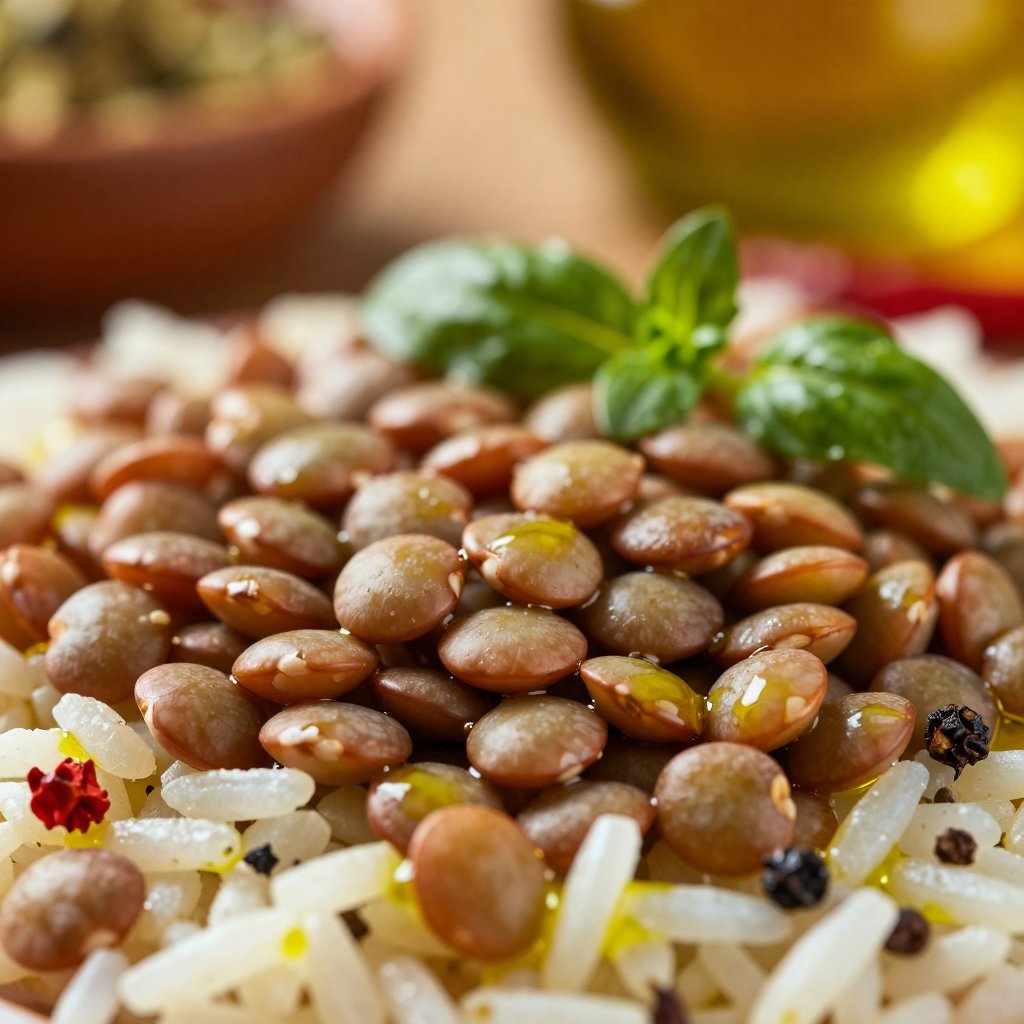
Hey there! Ava here, back from my Seattle kitchen with a dish that’s become a total staple: Mediterranean Lentils and Rice. If you’re looking for something that’s both incredibly delicious and surprisingly easy to whip up, you’ve landed in the right spot. This recipe is more than just a meal; it’s a warm hug in a bowl, packed with flavors that transport you straight to the sunny shores of the Mediterranean. Growing up, lentils were a regular feature on our family table, but this version? This is something special.
I remember one particularly hectic week when I was juggling work, a home renovation, and trying to keep my sanity intact. That’s when this recipe was born. I needed something quick, healthy, and satisfying, and this Mediterranean lentils dish ticked all the boxes. Now, it’s become my go-to when I want comfort food without the guilt.
Why You’ll Love This Mediterranean Lentils and Rice Recipe
Okay, let’s get down to why this recipe is about to become your new favorite. It’s not just me raving about it; everyone who tries it ends up asking for the recipe. Here’s why:
Quick and Easy: Ready in under 30 minutes, perfect for busy weeknights.
Healthy and Nutritious: Packed with plant-based protein and essential nutrients.
Flavorful: A vibrant blend of Mediterranean spices and fresh herbs.
Seriously, what’s not to love? This is the kind of recipe that makes you feel good from the inside out. It’s a plant based powerhouse that doesn’t skimp on flavor. It’s also a fantastic one pot meal, making cleanup a breeze. Thismediterranean lentils and rice recipe is about to change your dinner game forever.
Ingredients You’ll Need
Here’s what you’ll need to create this flavorful Mediterranean delight. Don’t worry, most of these ingredients are pantry staples!
2 cans lentils (15 oz / 400 g each can — drained and rinsed)
1½ cups cooked basmati rice (or ½ cup / 100 g uncooked rice to be cooked in water or broth)
2 tablespoons extra virgin olive oil
2 onions (thinly sliced + 1/2 cup water)
1 tablespoon honey (sub sugar or maple syrup)
2 cloves garlic (grated)
1 teaspoon paprika
1 teaspoon coriander
½ teaspoon cumin
½ teaspoon cinnamon
½ teaspoon turmeric powder
¼ teaspoon red pepper flakes (more or less to taste)
¾ teaspoon salt (or to taste + black pepper)
2 tablespoons flat-leaf parsley (or cilantro)
1 large lemon (for serving + optional Greek yogurt)
How to Make Mediterranean Lentils and Rice: Step-by-Step
Ready to get cooking? Here’s a simple breakdown of how to bring this dish to life. It’s so easy, even a beginner can nail it!
Cook Onions: Heat 2 tablespoons extra virgin olive oil in a large skillet over medium heat. Add 2 onions (thinly sliced), a pinch of salt, and 1 tablespoon honey. Cook for about 10 to 13 minutes, stirring occasionally, until the onions are soft and start to caramelize. Add ½ cup of water halfway through to keep them from burning.
Toast Spices: Stir in 2 cloves garlic (grated), 1 teaspoon paprika, 1 teaspoon coriander, ½ teaspoon cumin, ½ teaspoon cinnamon, ½ teaspoon turmeric powder, and ¼ teaspoon red pepper flakes. Toast for about a minute until fragrant.
Add Lentils and Rice: Add 2 cans lentils (drained and rinsed), 1½ cups cooked basmati rice, 2 tablespoons flat-leaf parsley (chopped), ¾ teaspoon salt, and black pepper. Stir well and cook for 3 to 5 minutes, until everything is heated through.
Serve: Finish with a squeeze of lemon juice, more chopped parsley, and a spoonful of Greek yogurt. It’s delicious on its own or served with grilled chicken, lamb skewers, or tagine.
See? I told you it was easy! The key is to let those spices bloom in the olive oil; that’s where the magic happens. And don’t skimp on the lemon juice at the end – it brightens everything up beautifully. Let’s talk pro tips now.
Pro Tips for Perfect Mediterranean Lentils and Rice
Want to take this dish from good to absolutely amazing? Here are a few of my tried-and-true secrets:
Use Quality Olive Oil: It makes a huge difference in the overall flavor.
Don’t Overcook the Onions: You want them soft and caramelized, not burnt.
Toast the Spices: This releases their essential oils and enhances their flavor.
Taste and Adjust: Add more salt, pepper, or red pepper flakes to suit your taste.
Fresh Herbs are Key: Don’t substitute dried herbs for fresh parsley or cilantro.
These little tweaks can elevate your dish to restaurant-quality. And remember, cooking is all about experimenting, so don’t be afraid to get creative! You can always add more of your favorite flavors. Here’s a little reminder: It s important to taste as you go. If you want it a little spicier, add more red pepper flakes.
Common Mistakes to Avoid
Even the simplest recipes can have a few pitfalls. Here are some common mistakes to watch out for:
Burning the Garlic: Burnt garlic tastes bitter. Add it after the onions have softened and toast it quickly.
Using Bland Lentils: Make sure to rinse your canned lentils thoroughly to remove any metallic taste.
Overcooking the Rice: Nobody likes mushy rice! Use cooked rice for best results.
Forgetting the Acid: Lemon juice is crucial for balancing the flavors. Don’t skip it!
Trust me, I’ve made all of these mistakes at least once. That infamous cake collapse I mentioned earlier? That was a result of skipping a crucial step. Now, I double-check everything! And if you’re using uncooked rice, ensure you adjust the cooking time and liquid accordingly. This dish is all about balance, and that s what makes it so good.
Variations to Try
One of the best things about this recipe is how easily you can customize it. Here are a few variations to get your creative juices flowing:
Add Vegetables: Sautéed bell peppers, zucchini, or spinach would be delicious additions.
Use Different Grains: Try quinoa, farro, or brown rice instead of basmati.
Make it Spicy: Add a pinch of cayenne pepper or a drizzle of hot sauce.
Add Protein: Grilled chicken, chickpeas, or feta cheese would be great additions.
Mediterranean Quinoa Lentils: Swap rice for quinoa for a healthier twist.
For instance, if you’re looking for a Mediterranean quinoa lentils recipe, simply swap out the rice for cooked quinoa. These variations will keep this dish exciting and cater to different dietary preferences. This mediterranean lentils and rice recipe is very versatile.
How to Store Leftovers
If you’re lucky enough to have leftovers (which is rare in my house!), here’s how to store them:
Refrigerate: Store in an airtight container in the refrigerator for up to 3 days.
Reheat: Reheat in the microwave or on the stovetop until heated through. Add a splash of water if needed to prevent drying out.
Leftovers are great for lunch the next day, or as a quick and easy dinner. And the flavors often meld together even more overnight, making it even tastier! For minutes of reheating, start with 1-2 minutes and add more time as needed.
Frequently Asked Questions (FAQ)
Got questions? I’ve got answers! Here are some common questions about this recipe:
Can I use different types of lentils? Yes, but green or brown lentils work best. Red lentils tend to get mushy.
Can I make this ahead of time? Absolutely! It’s a great make-ahead dish.
Is this recipe vegan? Yes, as written, it’s completely vegan.
Can I freeze this? I don’t recommend freezing it, as the rice may become mushy upon thawing.
If you have any other questions, feel free to leave a comment below! I’m always happy to help. And remember, thisricerecipe is just a starting point. Feel free to experiment and make it your own.
Serving Suggestions
This Mediterranean lentils and rice is delicious on its own, but it also pairs well with a variety of dishes:
Grilled Meats: Perfect with grilled chicken, lamb skewers, or fish.
Salads: Serve alongside a fresh Greek salad or a simple green salad.
Yogurt: A dollop of Greek yogurt adds a creamy, tangy element.
Bread: Serve with warm pita bread or crusty bread for dipping.
I often serve it with a sprinkle of feta cheese and a drizzle of olive oil for an extra touch of flavor. This is truly a dish that can be adapted to any occasion. If you’re looking for more tasty vegetarian recipes, this is a great place to start.
So, there you have it – my Easy and Flavorful Mediterranean Lentils and Rice recipe. I hope you love it as much as I do! Give it a try, and let me know what you think in the comments below. Happy cooking!
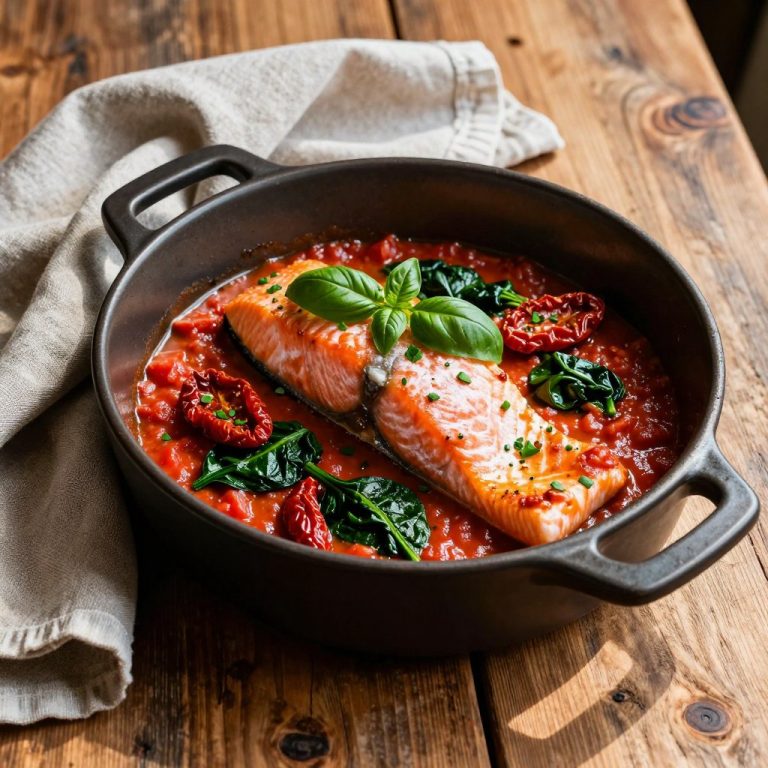
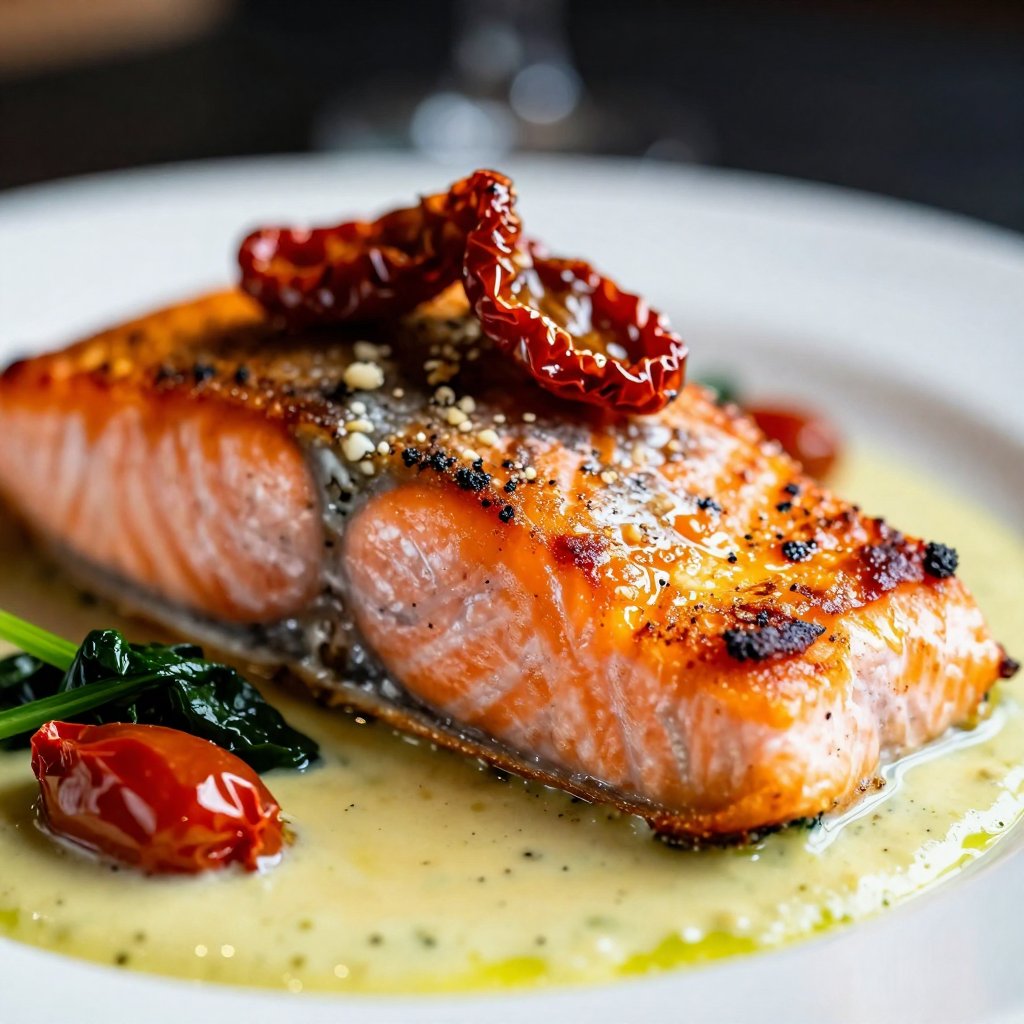
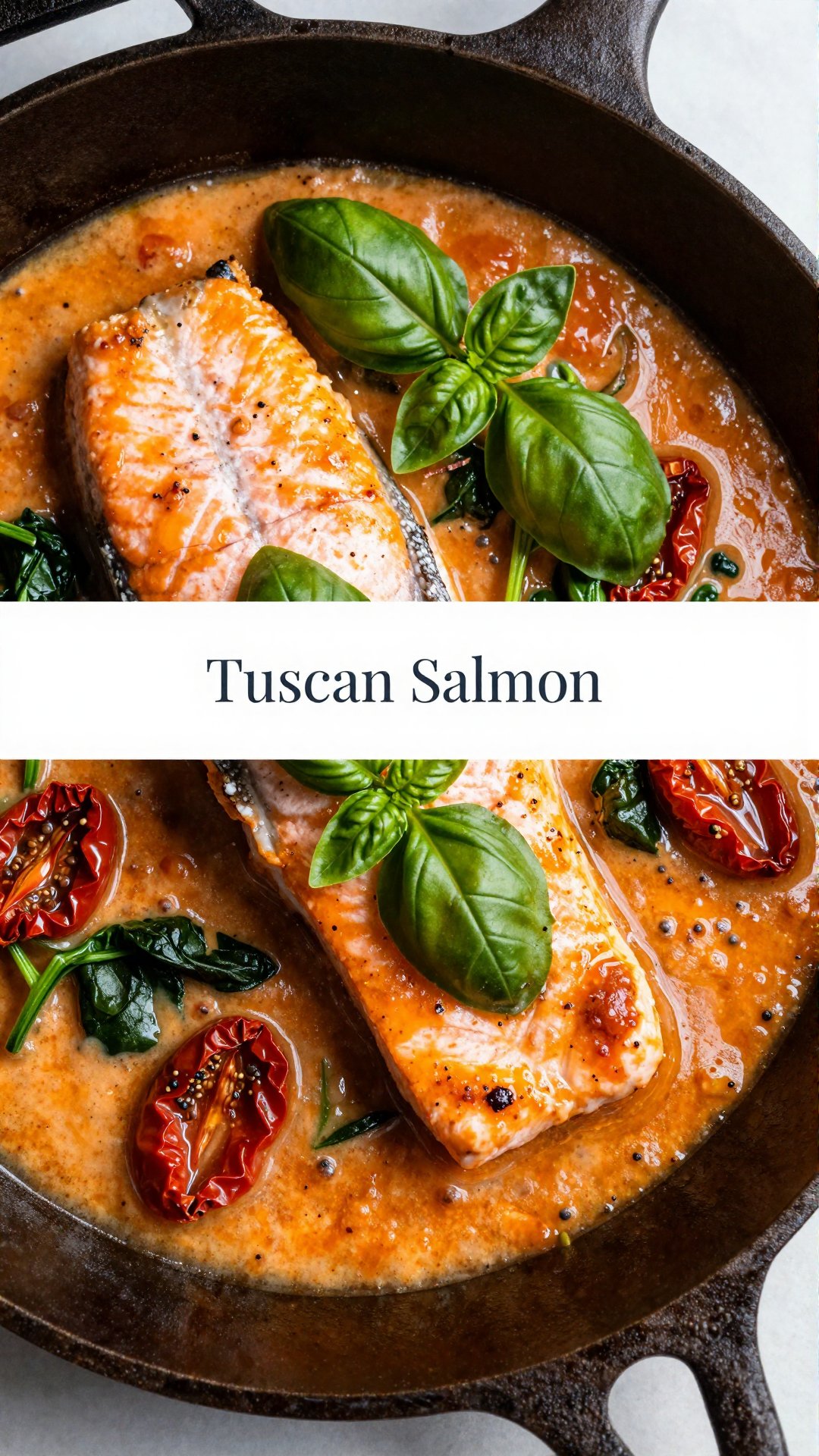
My name’s Ava, and if you’ve stumbled upon my kitchen, you’re probably here for one thing—the kind of recipes that make people pause mid-bite and say, ‘Wow.’ And trust me, this Creamy Tuscan Salmon is a showstopper. I grew up in a small town in Oregon, where the smell of fresh bread and roasted vegetables often drifted out of my mother’s kitchen window. Cooking wasn’t just something we did to eat—it was how we celebrated, comforted, and connected. Now, I’m bringing that same warmth and comfort to your Valentine’s Day dinner (or any special occasion, really!).
This recipe isn’t just about impressing your loved one; it’s about creating a memorable experience. Imagine tender, flaky salmon bathed in a luscious, creamy Tuscan sauce, bursting with the bright flavors of sun-dried tomatoes, garlic, and spinach. It’s an **easy dinner** that feels incredibly elegant, perfect for a romantic night in. I’m talking about a dish that rivals anything you’d find in a fancy restaurant, but without the fuss and exorbitant prices. So, ditch the reservations and let’s get cooking!
Why You’ll Love This Creamy Tuscan Salmon
Okay, let’s be real – there are a million **recipes with salmon dinners** out there. So, what makes this one special? Well, besides being utterly delicious, it’s incredibly simple to make. Even **if you**’re a beginner cook, **you’ll** find this recipe a breeze. Plus, it’s packed with flavor and comes together in under 30 minutes. Seriously, what’s not to love?
Quick & Easy: From prep to plate in under 30 minutes. Perfect for busy weeknights or a last-minute Valentine’s Day surprise.
Restaurant-Quality: Impress your loved one with a dish that tastes like it came straight from a high-end restaurant.
Packed with Flavor: The **cream sauce** is rich, savory, and bursting with Tuscan-inspired flavors.
Healthy & Delicious: A balanced meal that’s both good for you and incredibly satisfying. **Salmon is one of** the healthiest proteins you can eat!
Versatile: Easily customizable to your liking – add more spice, swap out the spinach for kale, or adjust the creaminess to your preference.
Ingredients You’ll Need
Here’s what you’ll need to whip up this amazing **Tuscan salmon**:
2 (6-ounce) salmon fillets, skin on or off
1 tablespoon olive oil
1/2 teaspoon salt
1/4 teaspoon black pepper
2 cloves garlic, minced
1/2 cup sun-dried tomatoes, oil-packed, drained and chopped
1/2 cup heavy cream
1/4 cup grated Parmesan cheese
1/4 cup chopped fresh spinach
1 tablespoon fresh basil, chopped
Optional: red pepper flakes for heat
Step-by-Step Instructions: Making the Magic Happen
Alright, let’s get down to business. Here’s how to create this culinary masterpiece:
Preheat: Preheat your oven to 400°F (200°C). This is crucial for ensuring the **salmon is cooked** evenly.
Season: Season your **the salmon** fillets with salt and pepper. Don’t be shy!
Sear: Heat olive oil in an oven-safe skillet over medium-high heat. Sear salmon for 3-4 minutes per side, **until the** skin is golden brown and crispy (if using skin-on fillets). A good sear adds amazing flavor and texture. This is what makes it **pan seared salmon**!
Set Aside: Remove salmon from skillet and set aside. We’ll add it back later to finish cooking in **the sauce**.
Sauté: Add garlic and sun-dried **tomatoes cherry** to the skillet and cook for 1 minute, until fragrant. This is where the Tuscan magic begins!
Create the Sauce: Stir in heavy cream, Parmesan cheese, and **baby spinach**. Bring to a simmer and cook **until the** sauce has slightly thickened, about 2-3 minutes. This **cream sauce** is what dreams are made of.
Combine: Return salmon to the skillet and spoon sauce over the top. Make sure each fillet is nicely coated.
Bake: Transfer skillet to the preheated oven and bake for 8-10 minutes, or **until the salmon is cooked** through and flakes easily with a fork.
Garnish: Garnish with fresh basil and red pepper flakes (optional) for a pop of color and flavor.
Serve: Serve immediately and prepare for compliments!
Pro Tips for the Perfect Tuscan Salmon
Want to take your **Tuscan salmon** to the next level? Here are a few of my favorite tips and tricks:
Don’t Overcook: The biggest mistake people make with salmon is overcooking it. **If you** use a meat thermometer, aim for an internal temperature of 145°F (63°C). The **salmon is cooked** when it flakes easily with a fork.
Use High-Quality Ingredients: The better the ingredients, the better the flavor. Splurge on good-quality salmon, Parmesan cheese, and sun-dried tomatoes. It’s worth it!
Sear for Flavor: Don’t skip the searing step! It adds a beautiful crust and locks in moisture.
Adjust the Sauce: Taste the sauce as you go and adjust the seasonings to your liking. Add more Parmesan for a cheesier sauce, or more red pepper flakes for extra heat.
Fresh is Best: Use fresh spinach and basil for the best flavor.
Common Mistakes to Avoid
We all make mistakes in the kitchen, but knowing what to watch out for can help you avoid them. Here are a few common pitfalls to sidestep when making Creamy Tuscan Salmon:
Overcooking the Salmon: This is the number one offender! Dry, overcooked salmon is a sad sight. Keep a close eye on it and use a meat thermometer for best results.
Burning the Garlic: Burnt garlic is bitter and unpleasant. Keep the heat on medium and stir frequently to prevent it from burning.
Using Low-Quality Ingredients: As I mentioned before, quality matters! Cheap ingredients will result in a less flavorful dish.
Not Seasoning Properly: Don’t be afraid to season generously with salt and pepper. It makes a big difference in the final flavor.
Ignoring the Sauce: The sauce is the star of the show! Make sure it’s thick, creamy, and flavorful.
Variations and Substitutions
Want to mix things up? Here are a few variations and substitutions **you can** try:
Dairy-Free: Substitute the heavy cream with coconut cream or cashew cream for a dairy-free version.
Vegetarian: Replace the salmon with grilled halloumi cheese or portobello mushrooms for a vegetarian option.
Add Veggies: Toss in some extra veggies like asparagus, bell peppers, or zucchini.
Spice it Up: Add a pinch of cayenne pepper or a dash of hot sauce for extra heat.
Lemon Zest: Add a teaspoon of lemon zest to the sauce for a bright, citrusy flavor.
How to Store and Reheat Leftovers
Got leftovers? Lucky you! Here’s how to store and reheat them:
Storage: Store leftover salmon in an airtight container in the refrigerator for up to 3 days.
Reheating: Reheat gently in a skillet over low heat, or in the microwave. Be careful not to overcook the salmon when reheating.
Frequently Asked Questions (FAQ)
Can I use frozen salmon? Yes, but make sure to thaw it completely before cooking. Pat it dry with paper towels to remove excess moisture.
Can I make this recipe ahead of time? You can prepare the sauce ahead of time and store it in the refrigerator. When you’re ready to cook, simply sear the salmon and add it to the sauce.
What side dishes go well with this salmon? See below for some **to pair** suggestions!
Serving Suggestions: What to Serve with Creamy Tuscan Salmon
This Creamy Tuscan Salmon is delicious on its own, but it’s even better with the right side dishes. Here are a few of my favorites:
Mashed Potatoes: Creamy **mashed potatoes** are a classic pairing with salmon.
Roasted Vegetables: Roasted asparagus, broccoli, or Brussels sprouts are a healthy and flavorful option.
Pasta: Serve the salmon over a bed of linguine or fettuccine for a heartier meal.
Quinoa: Quinoa is a healthy and protein-packed side dish that pairs well with the Tuscan flavors.
Salad: A simple green salad with a lemon vinaigrette is a refreshing complement to the rich salmon.
So, there you have it! My Creamy Tuscan Salmon recipe is your ticket to a romantic and delicious Valentine’s Day dinner at home. I hope you love it as much as I do! And remember, cooking is all about having fun and experimenting. Don’t be afraid to get creative and make this recipe your own. Happy cooking!
Cozy Up with This Creamy Tuscan Salmon Recipe for Valentine’s Day
Prep Time 10 minutesminutes
Cook Time 20 minutesminutes
Total Time 30 minutesminutes
Servings 2fillets
Calories 650
Enjoy a romantic and flavorful Valentine's Day dinner with this creamy Tuscan salmon recipe. Tender salmon fillets are cooked in a rich, sun-dried tomato and spinach sauce, creating a dish that's both elegant and comforting.
Ingredients
Salmon
2salmon fillets(skin on or off)
Sauce
1tablespoonolive oil
1/2teaspoonsalt
1/4teaspoonblack pepper
2clovesgarlic(minced)
1/2cupsun-dried tomatoes(oil-packed, drained and chopped)
1/2cupheavy cream
1/4cupgrated Parmesan cheese
1/4cupchopped fresh spinach
1tablespoonfresh basil(chopped)
Optional
red pepper flakes(for heat)
Instructions
Preheat oven to 400°F (200°C).
Season salmon fillets with salt and pepper.
Heat olive oil in an oven-safe skillet over medium-high heat.
Sear salmon for 3-4 minutes per side, until golden brown.
Remove salmon from skillet and set aside.
Add garlic and sun-dried tomatoes to the skillet and cook for 1 minute, until fragrant.
Stir in heavy cream, Parmesan cheese, and spinach. Bring to a simmer and cook until the sauce has slightly thickened, about 2-3 minutes.
Return salmon to the skillet and spoon sauce over the top.
Transfer skillet to the preheated oven and bake for 8-10 minutes, or until salmon is cooked through.
Garnish with fresh basil and red pepper flakes (optional).
Serve immediately.
Notes
For a richer flavor, use freshly grated Parmesan cheese. Adjust the amount of red pepper flakes to your desired level of spiciness.
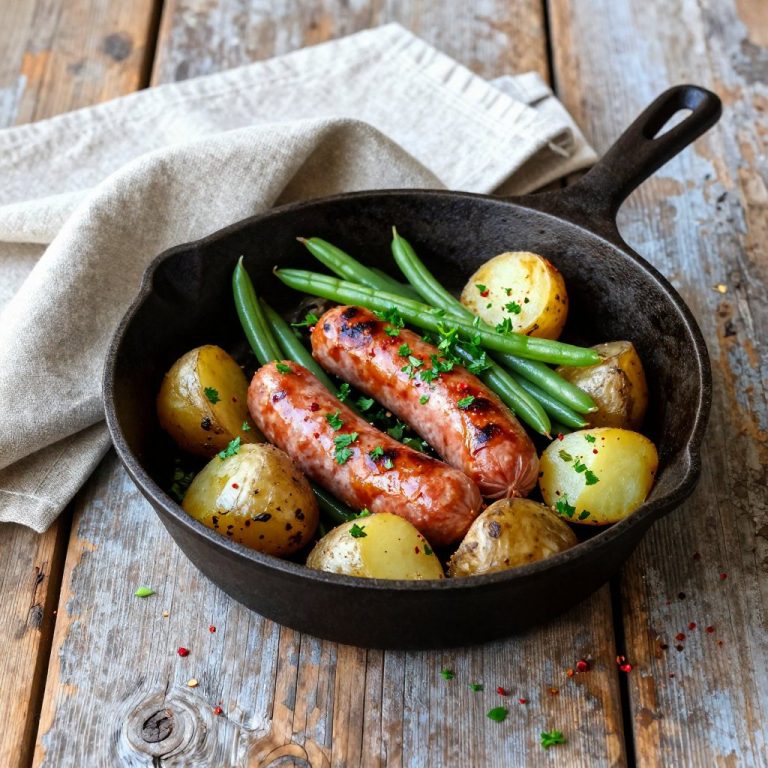
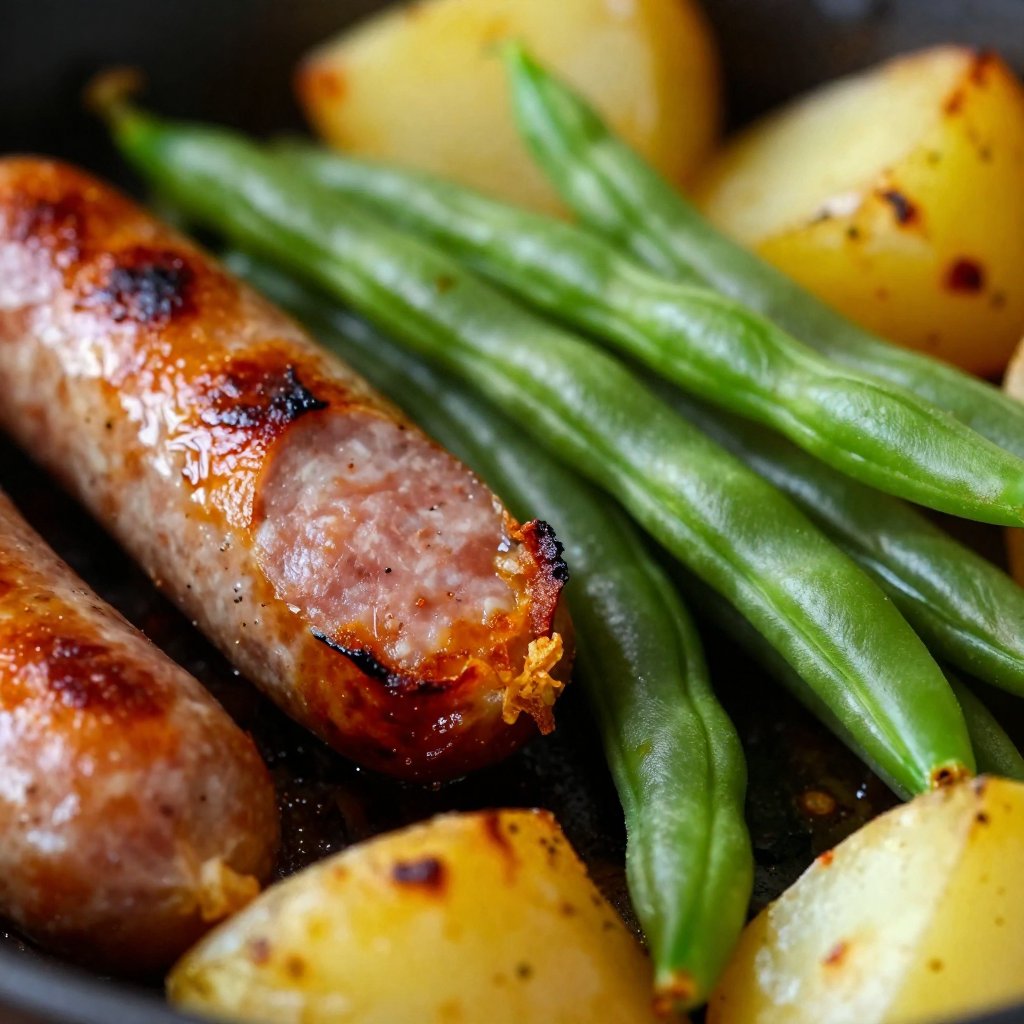
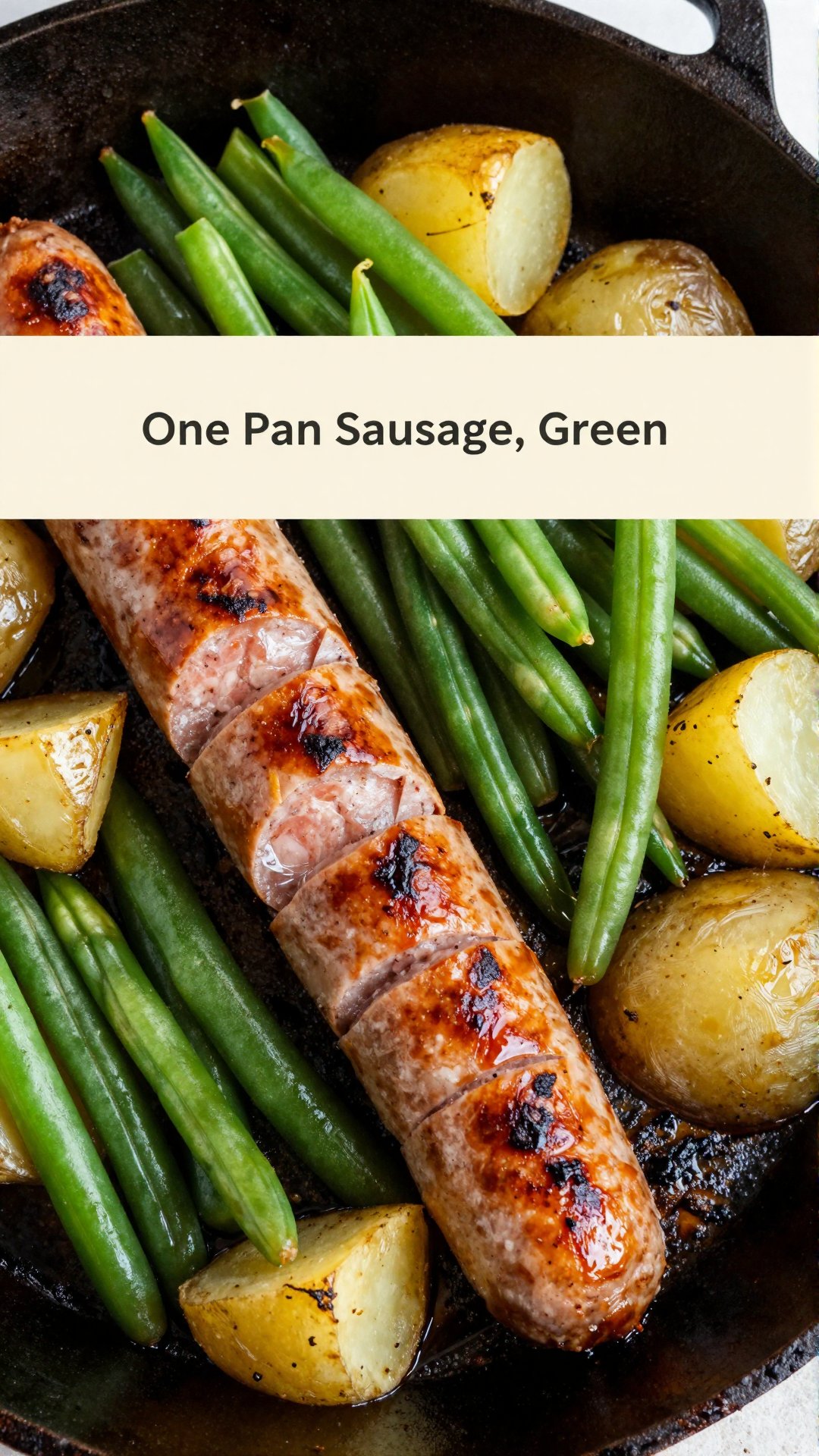
Hey there, friend! Ava here, welcoming you back to my cozy Seattle kitchen. Tonight, we’re whipping up something that’s both incredibly delicious and ridiculously easy: One Pan Sausage, Green Beans, and Potatoes. This dish is a total game-changer for busy weeknights, and trust me, it’s going to become a staple in your recipe rotation.
Remember those days when dinner felt like a monumental task? Well, kiss those days goodbye! This recipe is all about simplicity without sacrificing flavor. It’s the kind of meal that brings everyone to the table with smiles, and it’s proof that you don’t need fancy ingredients or complicated steps to create something truly satisfying. I grew up eating simple meals like this, and they always felt like home.
Why You’ll Love This One Pan Wonder
Okay, let’s get real for a moment. Why should you try this recipe? Well, besides the fact that it tastes amazing, there are so many reasons to fall in love with this one-pan wonder. It’s a symphony of flavors and textures, all harmonizing together on a single baking sheet. Here’s why it’s a winner:
Minimal Cleanup: Seriously, who loves doing dishes? This recipe requires just one pan, which means less time scrubbing and more time enjoying your evening.
Quick and Easy: From prep to plate, you’re looking at under an hour. Perfect for those nights when you’re short on time but still want a home-cooked meal.
Budget-Friendly: With simple ingredients like sausage, potatoes, and green beans, this meal won’t break the bank. It’s a fantastic way to feed the family without emptying your wallet.
Customizable: Feel free to swap out ingredients based on what you have on hand or what your family loves. More on that later!
Perfectly Seasoned: The combination of garlic powder, onion powder, smoked paprika, and parsley creates a flavor explosion that will have everyone asking for seconds.
This one pan recipe is a great way to make dinners with green beans. The sausage and potatoes combination brings a hearty flavor to the fresh taste of green beans.
One Pan Sausage, Green Beans, and Potatoes Recipe
Ready to get cooking? Here’s what you’ll need:
Ingredients
1 lb smoked beef sausage (beef or pork, sliced into rounds)
1 lb baby potatoes (halved (or quartered if large))
12 oz fresh green beans (trimmed)
3 tbsp olive oil
1 tsp garlic powder
1 tsp onion powder
1 tsp smoked paprika
1 tsp dried parsley
Salt and pepper (to taste)
Optional: ¼ tsp red pepper flakes (for heat)
Optional garnish: fresh parsley or grated Parmesan
Let’s Get Cooking: Step-by-Step Instructions
Alright, let’s walk through the steps to create this masterpiece. Don’t worry; it’s so simple you could practically do it with your eyes closed (but please don’t!).
Preheat Oven: Preheat your oven to 400°F (200°C). Line a large baking sheet with parchment paper or foil for easy cleanup. Trust me, you’ll thank me later.
Prepare Veggies & Sausage: In a large bowl, toss the halved potatoes, green beans, and sliced sausage with olive oil, garlic powder, onion powder, paprika, parsley, salt, pepper, and red pepper flakes if using. Get your hands in there and make sure everything is well coated!
Spread on Baking Sheet: Spread the mixture evenly across the prepared baking sheet. Make sure everything is in a single layer for even roasting. Overcrowding the pan can lead to steamed veggies instead of crispy ones.
Roast: Bake for 30–35 minutes, flipping halfway through, until the potatoes are tender and golden, and the green beans are slightly crispy. Keep an eye on it – every oven is a little different.
Serve & Enjoy: Serve hot, garnished with chopped parsley or a sprinkle of Parmesan if desired. And there you have it – a delicious, satisfying meal in under an hour!
Pro Tips for the Perfect One Pan Meal
Want to take your one-pan game to the next level? Here are a few pro tips to ensure your dish turns out perfectly every time:
Even Sizing: Make sure your potatoes are cut into similar sizes so they cook evenly. No one wants a mix of undercooked and overcooked potatoes!
Don’t Overcrowd the Pan: As mentioned earlier, overcrowding can lead to steamed veggies. If you’re cooking for a crowd, use two baking sheets instead of trying to cram everything onto one.
Preheat the Pan: For extra crispy potatoes, preheat the baking sheet in the oven for a few minutes before adding the veggies and sausage.
High-Quality Sausage: The quality of your sausage can make a big difference in the overall flavor of the dish. Opt for a smoked sausage that you love.
Taste as You Go: Don’t be afraid to taste and adjust the seasoning as you go. Add a little extra salt, pepper, or red pepper flakes to suit your taste.
Common Mistakes to Avoid
We all make mistakes in the kitchen – it’s part of the learning process! Here are a few common pitfalls to watch out for when making this recipe:
Undercooked Potatoes: This is probably the most common issue. Make sure your potatoes are fork-tender before serving. If they’re still hard, continue baking for a few more minutes.
Soggy Green Beans: Overcrowding the pan can lead to soggy green beans. Make sure everything is in a single layer for optimal crispiness.
Burning: Keep an eye on the dish as it bakes to prevent burning. If the veggies or sausage start to brown too quickly, lower the oven temperature slightly.
Not Enough Seasoning: Don’t be shy with the seasoning! A generous amount of garlic powder, onion powder, smoked paprika, and parsley will take this dish from good to great.
Forgetting to Flip: Flipping the veggies and sausage halfway through ensures even cooking and browning.
Variations and Swaps
One of the best things about this recipe is how easily you can customize it to your liking. Here are a few fun variations and swaps to try:
Different Veggies: Swap out the green beans for broccoli, Brussels sprouts, bell peppers, or asparagus.
Different Potatoes: Use sweet potatoes or red potatoes instead of baby potatoes.
Different Sausage: Try Italian sausage, chorizo, or even chicken sausage.
Add Onions: Add sliced onions to the mix for extra flavor.
Spice It Up: Add a pinch of cayenne pepper or a drizzle of hot sauce for extra heat.
Herbs: Fresh herbs like rosemary, thyme, or oregano can add a wonderful aroma and flavor.
Cheese: Sprinkle some shredded cheese over the dish during the last few minutes of baking.
Frozen Green Beans: You can use frozen green beans if you don’t have fresh, but they might not get as crispy. Make sure to thaw and pat them dry before using.
Using frozen green beans is a great alternative if you don’t have fresh ones on hand. Just remember to thaw them properly. If you’re looking for easy sausage and potatoes recipes, this one is a winner.
How to Store and Reheat
Got leftovers? Lucky you! Here’s how to store and reheat this one-pan wonder:
Storage: Store leftovers in an airtight container in the refrigerator for up to 3-4 days.
Reheating: Reheat in the oven at 350°F (175°C) for 10-15 minutes, or until heated through. You can also microwave it, but the veggies might not be as crispy.
Freezing: While you can freeze this dish, the texture of the potatoes and green beans may change. If you do freeze it, thaw it overnight in the refrigerator before reheating.
Frequently Asked Questions (FAQ)
Got questions? I’ve got answers! Here are some common questions about this recipe:
Can I use frozen green beans?: Yes, you can! Just make sure to thaw them and pat them dry before using.
Can I make this ahead of time?: You can prep the veggies and sausage ahead of time, but I recommend cooking it right before serving for the best texture.
Can I add other veggies?: Absolutely! Feel free to add any veggies you like. Just adjust the cooking time accordingly.
Can I use different types of sausage?: Yes, you can use any type of sausage you like. Just make sure it’s fully cooked before adding it to the pan.
Is this recipe gluten-free?: Yes, this recipe is naturally gluten-free.
Is this recipe dairy-free?: Yes, this recipe is dairy-free unless you add Parmesan cheese as a garnish.
If you are looking for easy balanced dinners, this recipe is a great choice. It’s also a budget friendly meal that’s easy to prepare.
Serving Suggestions
Want to make this meal even more special? Here are a few serving suggestions:
Side Salad: Serve with a simple green salad for a complete meal.
Crusty Bread: Serve with a side of crusty bread for dipping in the pan juices.
Dipping Sauce: Serve with your favorite dipping sauce, such as ranch, honey mustard, or BBQ sauce.
Lemon Wedge: Squeeze a lemon wedge over the dish for a burst of freshness.
Garlic Aioli: Drizzle with garlic aioli for extra flavor.
And there you have it! A simple, delicious, and satisfying one-pan meal that’s perfect for busy weeknights. I hope you love this recipe as much as I do. Now go forth and create some kitchen magic!
Remember, cooking is all about having fun and experimenting. Don’t be afraid to get creative and make this recipe your own. And most importantly, enjoy the process! Until next time, happy cooking!
This sheet pan meal with potatoes is a fantastic option for a quick and easy dinner. With sausage, green beans and potatoes, it’s a complete and satisfying meal that everyone will enjoy.
This one-pan meal is a quick and easy dinner solution, perfect for busy weeknights. Simply toss sausage, green beans, and potatoes with seasonings and roast for a flavorful and satisfying dish.
Ingredients
Ingredients
1lbsmoked beef sausage(beef or beef, sliced into rounds)
1lbbaby potatoes(halved (or quartered if large))
12ozfresh green beans(trimmed)
3tbspolive oil
1tspgarlic powder
1tsponion powder
1tspsmoked paprika
1tspdried parsley
Salt and pepper(to taste)
¼tspred pepper flakes(for heat (optional))
fresh parsley or grated Parmesan(Optional garnish)
Instructions
Preheat Oven
Preheat your oven to 400°F (200°C). Line a large baking sheet with parchment paper or foil for easy cleanup.
Prepare Veggies & beef sausage
In a large bowl, toss the halved potatoes, green beans, and sliced beef sausage with olive oil, garlic powder, onion powder, paprika, parsley, salt, pepper, and red pepper flakes if using.
Spread on Baking Sheet
Spread the mixture evenly across the prepared baking sheet. Make sure everything is in a single layer for even roasting.
Roast
Bake for 30–35 minutes, flipping halfway through, until the potatoes are tender and golden, and the green beans are slightly crispy.
Serve & Enjoy
Serve hot, garnished with chopped parsley or a sprinkle of Parmesan if desired.
Notes
For crispier potatoes, ensure they are evenly spaced on the baking sheet and not overcrowded.
How I Lost Over 40 Pounds: My Journey to a Healthier Me
Hey there, friend! Ava here, back from my little corner of the internet. I’m excited to share something deeply personal with you: my weight loss journey. For years, I struggled with my weight, trying every fad diet and quick fix out there. But nothing seemed to stick. Then, about two years ago, I decided enough was enough. I was tired of feeling uncomfortable in my own skin, tired of the yo-yo dieting, and ready to make a real, lasting change. So, I embarked on a journey that not only transformed my body but also reshaped my relationship with food and myself. And guess what? I lost over 40 pounds, and I’ve kept it off!
This isn’t a story about deprivation or restrictive eating. It’s about finding balance, listening to my body, and making sustainable lifestyle changes. It’s about understanding that **weight loss** isn’t just about the numbers on the scale; it’s about feeling good, having energy, and living a vibrant life. **If you**’re ready to start your own journey, keep reading. I’m going to share the exact steps I took, the challenges I faced, and the lessons I learned along the way. I hope my story inspires you and gives you the tools you need to achieve your own health goals. I know **you can** do it!
Why You’ll Love This Approach
Trust me, I get it. The world of weight loss can be overwhelming and confusing. There are countless diets, programs, and products promising instant results. But I’m not here to sell you a miracle cure. I’m here to share a realistic, sustainable approach that worked for me—and that I believe can work for you too. This approach isn’t about quick fixes; it’s about building healthy habits that last a lifetime. And it’s something that **help you** maintain **your weight**. Here’s why you’ll love it:
It’s Flexible: No rigid rules or strict meal plans. You can adapt this approach to your own preferences, lifestyle, and cultural background.
It’s Sustainable: This isn’t a diet; it’s a lifestyle. You’ll learn how to make healthy choices that you can maintain long-term.
It’s Empowering: You’ll gain a deeper understanding of your body, your hunger cues, and your relationship with food.
It’s Delicious: Healthy eating doesn’t have to be boring! You’ll discover how to create flavorful, satisfying meals that nourish your body and delight your taste buds.
It’s About More Than Just Weight Loss: This approach focuses on overall health and well-being, including energy levels, mood, sleep, and confidence. It’s about making choices **to help** you feel better, both inside and out.
The Core Principles of My Weight Loss Journey
Before we dive into the specific steps I took, let’s talk about the core principles that guided my journey. These principles are the foundation of everything I did, and they’re essential for creating lasting change:
Focus on Whole, Unprocessed Foods: This means prioritizing fruits, vegetables, lean proteins, whole grains, and healthy fats. These foods are packed with nutrients and fiber, which will keep you feeling full and satisfied.
Create a Calorie Deficit: To lose weight, you need to burn more calories than you consume. I achieved this by tracking my calorie intake and making conscious choices about what I ate.
Engage in Regular Physical Activity: Exercise is crucial for burning calories, building muscle, and improving overall health. I incorporated both cardio and strength training into my routine. **Physical activity** is so important!
Prioritize Sleep and Stress Management: Lack of sleep and chronic stress can sabotage your weight loss efforts. I made sure to get enough sleep and find healthy ways to manage stress.
Be Patient and Consistent: Weight loss takes time and effort. There will be ups and downs along the way. The key is to stay patient, consistent, and committed to your goals. **It’s** a marathon, not a sprint!
Ingredients for Success
These are the ingredients I focused on incorporating into my diet. They’re not just foods; they’re fuel for your body and essential for successful **weight loss**:
Lean protein (chicken, fish, beans): Essential for building and repairing muscle tissue, and keeps you feeling fuller longer.
Lots of vegetables (leafy greens, broccoli, peppers): Packed with vitamins, minerals, and fiber, they’re low in calories and high in nutrients.
Whole grains (oats, quinoa, brown rice): Provide sustained energy and fiber, which aids digestion and promotes satiety.
Healthy fats (avocado, nuts, olive oil): Important for hormone production, brain function, and absorbing fat-soluble vitamins. They also add flavor and satisfaction to meals.
Water: Crucial for hydration, digestion, and overall health. Aim for at least 8 glasses a day.
My 8-Step Guide to Losing Over 40 Pounds
Alright, let’s get down to the nitty-gritty. Here’s exactly what I did to lose over 40 pounds and keep it off. Remember, this is what worked for me, but feel free to adapt it to your own needs and preferences:
Track your calorie intake using a food diary or app. This was a game-changer for me. It helped me become aware of how many calories I was actually consuming each day. **To lose** weight, you need to know where you stand.
Aim for a calorie deficit of 500-750 calories per day. This is generally considered a safe and sustainable rate of weight loss.
Focus on whole, unprocessed foods. I made a conscious effort to fill my plate with fruits, vegetables, lean proteins, and whole grains.
Limit sugary drinks, processed snacks, and fast food. These are empty calories that can sabotage your weight loss efforts. **Such as** sodas and candy.
Engage in regular exercise, including both cardio and strength training. I aimed for at least 30 minutes of exercise most days of the week.
Get enough sleep (7-8 hours per night). Sleep is crucial for hormone regulation and overall health.
Stay hydrated by drinking plenty of water. Water helps you feel full, boosts your metabolism, and flushes out toxins.
Be patient and consistent with your efforts. Weight loss is a journey, not a destination. There will be setbacks along the way. The key is to stay committed to your goals and never give up. **You want** to succeed, right?
Pro Tips for Boosting Your Weight Loss
Want to take your weight loss to the next level? Here are a few pro tips that helped me stay on track and maximize my results:
Plan Your Meals: Take some time each week to plan your meals and snacks. This will help you make healthier choices and avoid impulsive eating. If **you want to** get serious, planning is key.
Cook at Home: Cooking your own meals gives you more control over the ingredients and portion sizes.
Eat Mindfully: Pay attention to your hunger cues and eat slowly, savoring each bite. This will help you feel more satisfied and prevent overeating.
Find a Support System: Surround yourself with people who support your weight loss goals. This could be friends, family, or an online community.
Reward Yourself (Non-Food Rewards): Celebrate your successes with non-food rewards, such as a new workout outfit, a massage, or a weekend getaway.
Common Mistakes to Avoid
We all make mistakes, especially when we’re trying something new. Here are a few common weight loss mistakes to avoid:
Setting Unrealistic Goals: Aim for slow and steady weight loss rather than trying to lose weight too quickly.
Depriving Yourself: Restricting yourself too much can lead to cravings and binge eating.
Skipping Meals: Skipping meals can slow down your metabolism and lead to overeating later in the day.
Focusing Solely on the Scale: Weight is just one measure of health. Pay attention to how you feel, your energy levels, and your overall well-being.
Giving Up After a Setback: Everyone has setbacks. The key is to learn from your mistakes and get back on track.
Delicious Variations to Keep Things Interesting
Healthy eating doesn’t have to be boring! Here are a few delicious variations to keep your meals exciting and satisfying:
Spice It Up: Add spices like chili powder, cumin, or paprika to your meals for a flavor boost.
Get Saucy: Use healthy sauces like salsa, hummus, or Greek yogurt to add flavor and moisture to your dishes.
Veggie Power: Experiment with different vegetables and cooking methods to discover new favorites.
Protein Swap: Try different sources of protein, such as chicken, fish, beans, tofu, or tempeh.
Grain Game: Explore different whole grains, such as quinoa, brown rice, barley, or farro.
Storing Your Success
One of the best ways to stay on track with your weight loss goals is to meal prep. Here are a few tips for storing your meals and snacks:
Invest in Quality Containers: Use airtight containers to keep your food fresh and prevent leaks.
Portion Control: Pre-portion your meals and snacks to avoid overeating.
Label Everything: Label your containers with the date and contents to keep track of what you have.
Freeze for Later: Freeze extra portions of meals for busy days when you don’t have time to cook.
Keep Snacks Handy: Keep healthy snacks like fruits, vegetables, and nuts readily available to avoid unhealthy cravings.
Frequently Asked Questions (FAQ)
Here are some of the most common questions I get asked about my weight loss journey:
How long did it take you to lose 40 pounds? It took me about a year and a half to lose the weight. I focused on making sustainable changes rather than trying to lose weight quickly.
Did you follow a specific diet? I didn’t follow a specific diet. I focused on eating whole, unprocessed foods and creating a calorie deficit.
What kind of exercise did you do? I did a combination of cardio and strength training. I aimed for at least 30 minutes of exercise most days of the week.
Did you ever cheat on your diet? Yes, I did! I allowed myself to indulge in my favorite foods occasionally. The key is to not let a cheat meal turn into a cheat day or week.
What advice would you give to someone just starting their weight loss journey? Be patient, be consistent, and don’t give up! Weight loss takes time and effort. The key is to stay committed to your goals and celebrate your successes along the way.
Serving Suggestions and Meal Ideas
Here are a few meal ideas to get you started on your weight loss journey:
Breakfast: Oatmeal with berries and nuts, Greek yogurt with fruit and granola, or a veggie omelet. These **high carb recipes** are a great start to the day.
Lunch: Salad with grilled chicken or fish, lentil soup with whole-wheat bread, or a turkey and avocado wrap. Great **healthy recipes with protein**.
Dinner: Baked salmon with roasted vegetables, chicken stir-fry with brown rice, or a vegetarian chili. These **simple protein recipes** are filling and nutritious.
Snacks: Fruits, vegetables with hummus, nuts, or Greek yogurt. These **high protein and carb meals** can be a good option.
Maintaining a Healthy Weight: The Long Game
Losing weight is a significant accomplishment, but maintaining that weight loss is a whole other ballgame. It requires ongoing effort, commitment, and a willingness to adapt. Here’s what I’ve learned about maintaining a **healthy weight** long-term:
Continue to Prioritize Healthy Habits: Don’t fall back into old habits once you’ve reached your goal weight. Continue to focus on eating whole, unprocessed foods, engaging in regular exercise, and prioritizing sleep and stress management. **Your health** depends on it.
Listen to Your Body: Pay attention to your hunger cues and eat when you’re hungry. Don’t deprive yourself, but also don’t overeat.
Stay Active: Find activities that you enjoy and make them a part of your routine. This could be anything from walking and hiking to dancing and swimming.
Manage Stress: Find healthy ways to manage stress, such as yoga, meditation, or spending time in nature.
Track Your Progress: Continue to weigh yourself regularly and track your measurements. This will help you stay aware of any changes and make adjustments as needed.
Seek Support: Continue to surround yourself with people who support your healthy lifestyle. This could be friends, family, or an online community.
The Importance of Sleep for Weight Loss
Sleep is often overlooked when it comes to weight loss, but it’s actually a crucial factor. When you don’t get enough sleep, your body produces more of the stress hormone cortisol, which can lead to increased appetite and cravings. Lack of sleep can also disrupt your metabolism and make it harder to burn calories. Aim for 7-8 hours of sleep per night. Here are a few tips for improving your sleep habits:
Establish a Regular Sleep Schedule: Go to bed and wake up at the same time each day, even on weekends.
Create a Relaxing Bedtime Routine: Take a warm bath, read a book, or listen to calming music before bed.
Make Your Bedroom Dark, Quiet, and Cool: These conditions are ideal for sleep.
Avoid Caffeine and Alcohol Before Bed: These substances can interfere with sleep.
Exercise Regularly: Regular exercise can improve sleep quality, but avoid exercising too close to bedtime.
The Role of Stress Management in Weight Loss
Stress can also sabotage your weight loss efforts. When you’re stressed, your body releases cortisol, which can lead to increased appetite and cravings. Chronic stress can also disrupt your metabolism and make it harder to burn calories. Find healthy ways to manage stress, such as yoga, meditation, or spending time in nature. Here are a few tips for managing stress:
Practice Relaxation Techniques: Deep breathing, meditation, and yoga can help you calm your mind and body.
Get Regular Exercise: Exercise is a great way to relieve stress and improve your mood.
Spend Time in Nature: Spending time in nature can lower your stress levels and improve your overall well-being.
Connect with Others: Social support can help you cope with stress.
Set Boundaries: Learn to say no to things that drain your energy and increase your stress levels.
The Power of Mindful Eating
Mindful eating is a practice that involves paying attention to your hunger cues and eating slowly, savoring each bite. It can help you become more aware of your relationship with food and prevent overeating. Here are a few tips for practicing mindful eating:
Eat When You’re Hungry: Don’t eat out of boredom, stress, or emotions.
Eat Slowly: Put your fork down between bites and chew your food thoroughly.
Savor Each Bite: Pay attention to the taste, texture, and smell of your food.
Eliminate Distractions: Turn off the TV, put away your phone, and focus on your meal.
Listen to Your Body: Stop eating when you’re full, even if there’s still food on your plate.
Seeking Professional Guidance: When to Consult a Health Care Provider
While my journey and the tips I’ve shared have been effective for me, it’s essential to acknowledge that everyone’s body and circumstances are different. There are times when seeking professional guidance from a **health care** provider or a registered dietitian is crucial. Here’s when you should consider consulting a professional:
Underlying Health Conditions: If you have any underlying health conditions, such as diabetes, heart disease, or thyroid problems, it’s essential to consult with your doctor before starting any weight loss program.
Medications: Certain medications can affect your weight. If you’re taking any medications, talk to your doctor about how they might impact your weight loss efforts.
Significant Weight Loss Goals: If you have a significant amount of weight to lose, a registered dietitian can help you develop a personalized meal plan and provide ongoing support.
Eating Disorders: If you have a history of eating disorders, it’s essential to seek professional help from a therapist or counselor who specializes in eating disorders.
Lack of Progress: If you’re not seeing results despite your best efforts, a health care provider can help you identify any underlying issues that may be hindering your progress.
The Mental and Emotional Side of Weight Loss
Weight loss is not just a physical journey; it’s also a mental and emotional one. It’s important to address the underlying emotional issues that may be contributing to your weight gain. Here are a few tips for addressing the mental and emotional side of weight loss:
Identify Your Emotional Triggers: What situations or emotions trigger you to overeat?
Develop Healthy Coping Mechanisms: Find healthy ways to cope with stress and emotions, such as exercise, yoga, or meditation.
Practice Self-Compassion: Be kind to yourself and don’t beat yourself up over mistakes.
Seek Support: Talk to a therapist, counselor, or support group about your emotional challenges.
Celebrate Your Successes: Acknowledge and celebrate your accomplishments, no matter how small.
The Importance of Setting Realistic Goals
Setting realistic goals is crucial for success in any endeavor, including weight loss. Unrealistic goals can lead to frustration, discouragement, and ultimately, failure. Here are a few tips for setting realistic goals:
Start Small: Don’t try to change everything at once. Start with one or two small goals and gradually add more as you progress.
Be Specific: Instead of saying “I want to lose weight,” say “I want to lose 1-2 pounds per week.”
Make Your Goals Measurable: Track your progress so you can see how far you’ve come.
Make Your Goals Achievable: Set goals that you can realistically achieve given your current lifestyle and circumstances.
Be Flexible: Be willing to adjust your goals as needed. Life happens, and sometimes you need to be flexible.
Understanding Your Body Composition
While the number on the scale is one way to measure progress, it doesn’t tell the whole story. Understanding your body composition—the ratio of muscle to fat—can provide a more comprehensive picture of your health and fitness. Here’s why body composition matters:
Muscle Burns More Calories: Muscle tissue burns more calories at rest than fat tissue. So, the more muscle you have, the higher your metabolism will be.
Body Composition Affects Your Health: A healthy body composition is associated with a lower risk of chronic diseases, such as heart disease, diabetes, and cancer.
Body Composition Can Change Without Weight Change: You can lose fat and gain muscle without seeing a change on the scale. That’s why it’s important to track your body composition in addition to your weight.
There are several ways to measure your body composition, including:
Skinfold Calipers: This method involves measuring the thickness of skinfolds at various points on your body.
Bioelectrical Impedance Analysis (BIA): This method involves sending a small electrical current through your body and measuring the resistance.
Dual-Energy X-ray Absorptiometry (DEXA): This method uses X-rays to measure bone density, muscle mass, and fat mass.
The Importance of Hydration for Weight Loss
Staying hydrated is crucial for overall health and plays a significant role in weight loss. Water helps your body function properly and can even boost your metabolism. Here’s why hydration is important:
Water Helps You Feel Full: Drinking water before meals can help you feel fuller and eat less.
Water Boosts Your Metabolism: Dehydration can slow down your metabolism. Staying hydrated helps keep your metabolism running efficiently.
Water Helps Your Body Burn Fat: Water is essential for the process of lipolysis, which is the breakdown of fat for energy.
Water Helps Flush Out Toxins: Water helps your body eliminate waste products and toxins.
Aim to drink at least 8 glasses of water per day. You can also get fluids from other sources, such as fruits, vegetables, and soups.
Celebrating Non-Scale Victories
Weight loss is about more than just the number on the scale. It’s about improving your overall health, energy levels, and well-being. That’s why it’s important to celebrate non-scale victories along the way. Here are a few examples of non-scale victories:
Fitting into Smaller Clothes: This is a tangible sign that you’re losing fat.
Having More Energy: Weight loss can lead to increased energy levels.
Sleeping Better: Weight loss can improve sleep quality.
Feeling More Confident: Weight loss can boost your self-esteem and confidence.
Being Able to Do More Physical Activities: Weight loss can make it easier to do things like walking, running, and climbing stairs.
Final Thoughts: My Journey and Yours
My weight loss journey was a transformative experience. It taught me so much about myself, my body, and my relationship with food. It wasn’t always easy, but it was definitely worth it. I hope my story has inspired you and given you the tools you need to achieve your own health goals. Remember, **what you** eat is important. **For example**, focus on eating balanced meals. And remember that a **healthy weight** is about more than just the number on the scale. It’s about feeling good, having energy, and living a vibrant life. Be patient, be consistent, and never give up on yourself. You got this!
And one more thing: weight loss is a personal journey. **Your goals and**, more importantly, how you achieve them, are unique to you. Don’t compare yourself to others. Focus on your own progress and celebrate your successes along the way. If you’re ready **to help you lose** weight, start today. Make one small change and build from there. Before you know it, you’ll be well on your way to a healthier, happier you. Remember, it’s always possible to **lose weight safely and** effectively. And always remember, **enough sleep** is essential for success.
This isn't a recipe, but a guide to weight loss focusing on healthy eating and lifestyle changes. It emphasizes whole foods, calorie tracking, and regular exercise for sustainable results.
Ingredients
Ingredients
1servingLean protein (chicken, fish, beans)(Choose your preferred source)
2cupsLots of vegetables (leafy greens, broccoli, peppers)(Variety is key)
0.5cupWhole grains (oats, quinoa, brown rice)(Cooked)
Hey there! Ava here, welcoming you to my little corner of the internet where delicious, easy meals reign supreme. If you’re anything like me, you’re always on the lookout for recipes that deliver big on flavor without demanding hours in the kitchen. That’s where this One-Pan Honey Garlic Kielbasa & Veggies comes in. It’s the kind of dish that makes weeknights feel a little less hectic and a whole lot more delicious. Imagine tender kielbasa, perfectly roasted veggies, all glazed in a sticky, sweet, and savory honey garlic sauce. Sounds good, right? Trust me, it is!
I remember the first time I made this. It was a Tuesday, I was running late after a meeting, and my kids were already asking what was for dinner. I needed something quick, something satisfying, and something that wouldn’t leave me with a mountain of dishes. I rummaged through the fridge and found some kielbasa, potatoes, and a few sad-looking bell peppers. Inspiration struck, and this recipe was born. Now, it’s a family favorite, and I’m so excited to share it with you.
Why You’ll Love This One-Pan Honey Garlic Kielbasa & Veggies
Seriously, what’s not to love? This recipe is a game-changer for busy families. Here’s why:
Quick and Easy: From prep to table in under an hour.
Minimal Cleanup: Everything cooks on one pan, which means fewer dishes to wash. Hallelujah!
Flavor Explosion: The honey garlic sauce is the perfect balance of sweet and savory.
Versatile: Easily customizable with your favorite veggies or whatever you have on hand.
Family-Friendly: Even picky eaters will love this combination of kielbasa and roasted veggies.
This dish is a testament to the fact that you don’t need fancy ingredients or complicated techniques to create a meal that’s both comforting and impressive. It’s all about using simple ingredients to create something extraordinary. I promise, once you try this recipe, it will become a staple in your dinner rotation.
Ingredients You’ll Need
Let’s gather our ingredients. Here’s what you’ll need to create this one-pan wonder:
1 pound Kielbasa (choose high-quality options for best taste)
2 tablespoons Honey (local honey works wonders for flavor)
3 cloves Garlic (minced, adjust based on taste preferences)
2 tablespoons Soy Sauce (consider low-sodium varieties for healthier option)
1 each Bell Peppers (red & yellow) (or substitute with zucchini or asparagus)
1 cup Baby Carrots (or regular carrots, adjust cooking time)
1 pound Baby Potatoes (or sweet potatoes for different flavor)
2 tablespoons Olive Oil (any light cooking oil can be substituted)
2 tablespoons Fresh Parsley or Green Onions (adds freshness and color)
How to Make One-Pan Honey Garlic Kielbasa & Veggies
I will provide the steps for making this dish soon!
Pro Tips for the Perfect One-Pan Meal
Preheat the Oven: Make sure your oven is fully preheated to ensure even cooking.
Don’t Overcrowd the Pan: Spread the ingredients in a single layer to promote browning. If necessary, use two sheet pans.
Cut Veggies Evenly: This ensures that all the vegetables cook at the same rate.
Use Parchment Paper: Line your sheet pan with parchment paper for easy cleanup.
Taste and Adjust: Before serving, taste the sauce and adjust the honey, garlic, or soy sauce to your liking.
These pro tips will help you achieve the best possible results. Trust me, a little attention to detail goes a long way in creating a truly delicious meal.
Common Mistakes to Avoid
We all make mistakes in the kitchen, but knowing what to avoid can save you time and frustration. Here are a few common pitfalls to watch out for:
Burning the Garlic: Minced garlic can burn quickly, so keep a close eye on it and adjust the cooking time if needed.
Overcooking the Veggies: Nobody likes mushy vegetables. Keep an eye on them and pull them out of the oven when they’re tender-crisp.
Using Too Much Sauce: Overdoing it with the honey garlic sauce can make the dish overly sweet or soggy. Start with a small amount and add more as needed.
Forgetting to Season: Don’t forget to season the veggies and kielbasa with salt and pepper. It makes a big difference in the overall flavor.
Learning from your mistakes is part of the fun of cooking. Don’t be afraid to experiment and try new things. Just remember to pay attention and adjust as you go.
Variations and Substitutions
One of the best things about this recipe is how easily it can be adapted to suit your tastes and preferences. Here are a few ideas to get you started:
Different Veggies: Swap out the bell peppers and carrots for broccoli, Brussels sprouts, zucchini, or asparagus.
Different Potatoes: Use sweet potatoes instead of baby potatoes for a sweeter flavor.
Spicy Kick: Add a pinch of red pepper flakes to the honey garlic sauce for a little heat.
Herb It Up: Experiment with different herbs like rosemary, thyme, or oregano.
Meat Alternatives: Use chicken sausage or plant-based kielbasa for a vegetarian option.
Don’t be afraid to get creative and make this recipe your own. The possibilities are endless!
How to Store Leftovers
If you happen to have any leftovers (which is rare in my house!), here’s how to store them:
Refrigerate: Store the kielbasa and veggies in an airtight container in the refrigerator for up to 3-4 days.
Reheat: Reheat in the oven at 350°F (175°C) or in a skillet over medium heat until warmed through. You can also microwave it, but the texture might be a bit softer.
Leftovers are great for lunch the next day or as a quick and easy dinner option.
Frequently Asked Questions (FAQ)
Got questions? I’ve got answers! Here are some of the most common questions I get about this recipe:
Can I use frozen vegetables?: Yes, but thaw them first and pat them dry to remove excess moisture.
Can I make this ahead of time?: You can prep the veggies and sauce ahead of time, but it’s best to cook the dish fresh for the best texture and flavor.
Can I use different types of kielbasa?: Absolutely! Smoked, Polish, or even spicy kielbasa will work well in this recipe.
Is this recipe gluten-free?: Yes, as long as you use gluten-free soy sauce.
Can I add more vegetables?: Of course! Feel free to load up on your favorite veggies.
If you have any other questions, feel free to leave a comment below. I’m always happy to help!
Serving Suggestions
This One-Pan Honey Garlic Kielbasa & Veggies is a complete meal on its own, but here are a few ideas to take it to the next level:
Side Salad: Serve with a simple green salad for a light and refreshing contrast.
Crusty Bread: A loaf of crusty bread is perfect for soaking up the delicious honey garlic sauce.
Rice or Quinoa: Serve over rice or quinoa for a heartier meal.
Coleslaw: A side of coleslaw adds a nice crunch and tanginess.
However you choose to serve it, I’m confident that this dish will be a hit with your family and friends.
This **one pan** recipe is a family favorite. The **honey garlic** glaze makes **the kielbasa** so flavorful. **When you** make this, you’ll see **it’s** so easy! **You’re** going to love **the honey** flavor. Don’t forget **the sauce**! I usually keep **the kielbasa** in **the fridge** so I am **ready to** make this. **Honey garlic kielbasa** is so yummy! After you make this, **you can** just throw **the sheet pan** in the dishwasher. I also like to add **sweet potatoes** to this recipe. **You’ll** be so glad you found this recipe. It’s great with **potatoes and** **kielbasa and** makes for **easy family lunches**.
A quick and easy one-pan meal featuring kielbasa sausage and colorful vegetables, coated in a delicious honey garlic glaze. Perfect for a weeknight dinner!
Ingredients
Ingredients
1poundKielbasa(choose high-quality options for best taste)
2tablespoonsHoney(local honey works wonders for flavor)
3clovesGarlic(minced, adjust based on taste preferences)
2tablespoonsSoy Sauce(consider low-sodium varieties for healthier option)
1eachBell Peppers(red & yellow (or substitute with zucchini or asparagus))
High Protein Sesame Chicken Recipe: A Flavor-Packed Adventure
Hey there, friend! Ava here, back in my Seattle kitchen, and today we’re diving headfirst into a recipe that’s become a staple in my weekly rotation: High Protein Sesame Chicken. Now, I know what you might be thinking: ‘Sesame chicken? Isn’t that usually takeout territory?’ And you’d be right! But trust me, this homemade version is not only healthier and packed with protein but also bursting with flavor that’ll rival any restaurant. Plus, it’s surprisingly simple to make. Even on those hectic weeknights when you’re tempted to dial for delivery, you can whip this up in under 30 minutes. So, ditch the greasy takeout menu and let’s get cooking!
Growing up, sesame chicken was always a special treat—something we’d get on rare occasions when my parents wanted a night off from cooking. I remember the sweet, sticky sauce and the satisfying crunch of sesame seeds. But as I got older and started paying more attention to what I was eating, I realized that most sesame chicken recipes were loaded with sugar and unhealthy fats. That’s when I decided to create my own version—one that was both delicious and good for me. And after countless iterations, I finally landed on this recipe. It’s a winner! It’s become my go-to when I crave that familiar flavor but want to keep things light and protein-packed.
Why You’ll Absolutely Love This High Protein Sesame Chicken
Okay, let’s get down to brass tacks. Why should you even bother trying this recipe? Well, let me tell you, this isn’t your average sesame chicken. It’s so much more! Here’s why you’ll be hooked:
Healthy Indulgence: This recipe is high in protein and lower in sugar and unhealthy fats than traditional sesame chicken.
Quick and Easy: From prep to plate, you’re looking at around 30 minutes. Perfect for busy weeknights!
Flavor Explosion: The combination of sweet, savory, and spicy will tantalize your taste buds.
Customizable: Easily adapt the recipe to your liking. Swap out the green beans for broccoli, add more spice, or adjust the sweetness.
Meal Prep Friendly: This sesame chicken is fantastic for meal prepping. It keeps well in the fridge and reheats beautifully.
Seriously, what’s not to love? This sesame chicken recipe is not just a meal; it’s an experience. It’s the kind of dish that makes you feel good from the inside out. It’s the perfect balance of indulgence and nourishment, and it’s guaranteed to become a new family favorite. And if you’re looking for something that fits into your health goals without sacrificing flavor, this is it! I’m telling you, the chicken is juicy, the sauce is amazing, and it’s all incredibly satisfying.
The Star Players: Ingredients You’ll Need
Alright, let’s gather our ingredients. Don’t worry, you probably have most of these in your pantry already. If you don’t, a quick trip to the grocery store will do the trick. Here’s what you’ll need for this flavor-packed adventure:
1.25 lbs chicken: (cut into 1-inch bite-sized cubes for even cooking)
0.75 tbsp avocado oil: (I prefer Chosen Foods for its high smoke point)
1/4 cup coconut aminos: (gives a deep umami flavor with less sodium)
1.5 tbsp honey
1.25 tbsp sesame oil
0.75 tsp ginger: (freshly grated for a spicy, aromatic kick)
1 tbsp garlic
2 tbsp rice vinegar: (I use Marukan seasoned rice vinegar)
1/4 tsp black pepper
1 tsp lime zest
1 tbsp lime juice
1 tbsp sesame seeds
1/8 tsp red pepper flakes
2 cups green beans: (trimmed and snapped into 2-inch pieces)
1 cup white rice
Step-by-Step: Crafting Your High Protein Sesame Chicken
I’m not going to bore you with overly complicated instructions. This recipe is all about simplicity and speed. Here’s how to bring it all together:
Prep the Chicken: Ensure your chicken is cut into even, bite-sized pieces. This helps it cook quickly and uniformly. Pat the chicken dry with paper towels. This will help it brown nicely in the pan.
Sear the Chicken: Heat the avocado oil in a large skillet or wok over medium-high heat. Once the oil is shimmering, add the chicken in a single layer. Don’t overcrowd the pan, or the chicken will steam instead of sear. If necessary, cook in batches. Cook the chicken for about 5-7 minutes, or until it’s cooked through and golden brown on all sides.
Whisk the Sauce: In a small bowl, whisk together the coconut aminos, honey, sesame oil, ginger, garlic, rice vinegar, black pepper, lime zest, and lime juice. This sauce is the heart and soul of our sesame chicken. The sauce is where all the magic happens!
Combine and Simmer: Pour the sauce over the cooked chicken in the pan. Add the green beans. Bring the sauce to a simmer and cook for about 3-5 minutes, or until the sauce has thickened slightly and the green beans are tender-crisp. Stir frequently to prevent sticking.
Garnish and Serve: Sprinkle the sesame chicken with sesame seeds and red pepper flakes. Serve immediately over white rice or cauliflower rice for a lower-carb option. If you’re feeling fancy, garnish with some chopped green onions.
And there you have it! Your very own High Protein Sesame Chicken, ready to tantalize your taste buds. See? I told you it was easy!
Pro Tips for Sesame Chicken Perfection
Okay, now that you’ve got the basics down, let’s talk about some pro tips that’ll take your sesame chicken to the next level. These are the little secrets that I’ve learned over the years that make all the difference.
Don’t Overcrowd the Pan: I cannot stress this enough! Overcrowding the pan will cause the chicken to steam instead of sear, resulting in a less flavorful dish. Cook in batches if necessary.
Pat the Chicken Dry: Before adding the chicken to the pan, pat it dry with paper towels. This will help it brown more easily.
Fresh Ginger and Garlic: Use freshly grated ginger and minced garlic for the best flavor. The pre-minced stuff just doesn’t compare.
Taste and Adjust: Before serving, taste the sauce and adjust the seasonings as needed. Add more honey for sweetness, rice vinegar for tang, or red pepper flakes for heat.
Toast the Sesame Seeds: For extra flavor, toast the sesame seeds in a dry skillet over medium heat for a few minutes until they’re golden brown and fragrant.
These tips might seem small, but they can make a big difference in the final result. Trust me, a little extra effort goes a long way. And if you’re using white rice as a base, consider adding a little sesame oil to the rice after it’s cooked for an extra layer of flavor. It’s a game-changer!
Common Mistakes to Avoid (and How to Fix Them)
We’ve all been there—a recipe that looks simple on paper turns into a kitchen disaster. But don’t worry, I’m here to help you avoid some common pitfalls. Here are a few mistakes to watch out for (and how to fix them):
Dry Chicken: Overcooking the chicken is a surefire way to end up with a dry, tough dish. To avoid this, use a meat thermometer to ensure the chicken is cooked to 165°F (74°C). And remember, it will continue to cook slightly after you remove it from the pan.
Watery Sauce: If your sauce is too watery, it means you didn’t simmer it long enough. Continue to cook the sauce over medium heat until it thickens to your desired consistency. If it’s still not thickening, you can add a cornstarch slurry (1 tablespoon cornstarch mixed with 2 tablespoons cold water) to the sauce.
Bland Flavor: If your sesame chicken is lacking in flavor, it could be because you didn’t use enough seasoning. Don’t be afraid to add more ginger, garlic, or sesame oil to the sauce. And remember, taste and adjust as you go!
Burnt Garlic: Burnt garlic can ruin an entire dish. To prevent this, add the garlic to the pan after the chicken has already started cooking. This will give it time to infuse the oil with flavor without burning.
Remember, cooking is all about learning from your mistakes. Don’t get discouraged if your first attempt isn’t perfect. Just keep practicing, and you’ll eventually master the art of sesame chicken. And don’t forget, if you’re using a non-stick pan, be extra careful not to scratch the surface. A damaged pan can release harmful chemicals into your food.
Variations: Spice It Up (or Tone It Down)
One of the best things about this recipe is that it’s incredibly versatile. Feel free to get creative and experiment with different variations. Here are a few ideas to get you started:
Spicy Sesame Chicken: Add more red pepper flakes to the sauce, or stir in a tablespoon of sriracha for an extra kick.
Sesame Chicken with Broccoli: Swap out the green beans for broccoli florets. Add the broccoli to the pan along with the sauce and cook until tender-crisp.
Honey Garlic Sesame Chicken: Add an extra tablespoon of honey and a teaspoon of garlic powder to the sauce for a sweeter, more garlicky flavor.
Sesame Chicken with Pineapple: Add some chunks of fresh pineapple to the pan along with the sauce for a tropical twist.
Sesame Tofu: Substitute the chicken with firm tofu for a vegetarian option. Press the tofu to remove excess moisture, then cube it and pan-fry it until golden brown.
The possibilities are endless! Don’t be afraid to get creative and put your own spin on this recipe. Who knows, you might just discover your new favorite variation. And if you’re looking for a lower-carb option, consider serving your sesame chicken over cauliflower rice or zucchini noodles instead of white rice. It’s a delicious and healthy alternative!
Storage and Reheating: Making It Last
If you’re lucky enough to have leftovers, this sesame chicken stores and reheats beautifully. Here’s how to keep it fresh:
Storage: Store the sesame chicken in an airtight container in the refrigerator for up to 3-4 days.
Reheating: Reheat the sesame chicken in the microwave or in a skillet over medium heat. If reheating in the microwave, add a splash of water to prevent it from drying out.
Freezing: While you can freeze sesame chicken, the texture may change slightly after thawing. If you do freeze it, store it in an airtight container for up to 2-3 months. Thaw it in the refrigerator overnight before reheating.
This sesame chicken is perfect for meal prepping because it holds up so well in the fridge. Make a big batch on Sunday, and you’ll have healthy and delicious lunches all week long. And if you’re reheating it in a skillet, consider adding a little extra sesame oil to revive the flavor. It’s a simple trick that makes a big difference!
Frequently Asked Questions (FAQ)
Got questions? I’ve got answers! Here are some of the most common questions I get about this recipe:
Can I use a different type of oil?: Yes, you can use any oil with a high smoke point, such as canola oil, vegetable oil, or peanut oil. However, I prefer avocado oil because it has a neutral flavor and is a healthier option.
Can I use soy sauce instead of coconut aminos?: Yes, but keep in mind that soy sauce is much higher in sodium than coconut aminos. If you’re watching your sodium intake, I recommend sticking with coconut aminos.
Can I use brown rice instead of white rice?: Absolutely! Brown rice is a healthier option with more fiber. Just keep in mind that it takes longer to cook than white rice.
Can I make this recipe gluten-free?: Yes, this recipe is naturally gluten-free if you use coconut aminos instead of soy sauce.
Can I make this recipe ahead of time?: Yes, you can make the sauce ahead of time and store it in the refrigerator for up to 3 days. You can also chop the chicken and vegetables ahead of time to save time on the day of cooking.
If you have any other questions, feel free to leave them in the comments below. I’m always happy to help! And don’t forget, if you’re using frozen vegetables, make sure to thaw them completely before adding them to the pan. This will prevent them from making the sauce watery.
Serving Suggestions: Complete the Meal
Okay, so you’ve got your High Protein Sesame Chicken ready to go. But what should you serve it with? Here are a few ideas to complete the meal:
Steamed White Rice: A classic pairing that never fails.
Cauliflower Rice: A low-carb alternative that’s just as satisfying.
Quinoa: A protein-packed grain that adds a nutty flavor.
Stir-Fried Vegetables: Add some extra veggies to your plate for a boost of nutrients.
Egg Rolls: A fun and flavorful appetizer that complements the sesame chicken perfectly.
No matter what you choose to serve it with, this High Protein Sesame Chicken is guaranteed to be a hit. It’s a delicious and healthy meal that’s perfect for any occasion. So go ahead, give it a try! I promise you won’t be disappointed. And if you’re feeling adventurous, consider adding a side of edamame or a small salad with a light vinaigrette. It’s a great way to round out the meal and add some extra nutrients. After all, a healthy meal is a happy meal!
This sesame chicken recipe is packed with protein and flavor, making it a healthy and delicious meal. The combination of sesame oil, honey, and coconut aminos creates a savory and slightly sweet sauce that perfectly coats the chicken and green beans.
Ingredients
Sesame Chicken Ingredients
1.25lbschicken(cut into 1-inch bite-sized cubes for even cooking)
0.75tbspavocado oil(I prefer Chosen Foods for its high smoke point)
1/4cupcoconut aminos(gives a deep umami flavor with less sodium)
1.5tbsphoney
1.25tbspsesame oil
0.75tspginger(freshly grated for a spicy, aromatic kick)
1tbspgarlic
2tbsprice vinegar(I use Marukan seasoned rice vinegar)
1/4tspblack pepper
1tsplime zest
1tbsplime juice
1tbspsesame seeds
1/8tspred pepper flakes
2cupsgreen beans(trimmed and snapped into 2-inch pieces)
1cupwhite rice
Notes
Serve over white rice for a complete and satisfying meal.
Hey there, salad enthusiasts! Ava here, inviting you into my little corner of the internet where fresh flavors and simple recipes reign supreme. Today, we’re diving headfirst into a bowl of pure summer bliss: a Mango Cucumber Salad with Blueberry and Avocado that’s so good, it might just become your new obsession.
Remember those sweltering summer days growing up in Oregon? My mom would always whip up the most vibrant salads using whatever was fresh from the garden. This recipe is my ode to those carefree afternoons – a delightful mix of sweet, savory, and oh-so-refreshing goodness. So, grab your cutting board, and let’s get started!
Why You’ll Love This Mango Cucumber Salad
Okay, picture this: juicy mangoes, crisp cucumbers, creamy avocado, and bursts of sweet blueberries, all tossed in a zesty lime vinaigrette. Are you drooling yet? Here’s why this salad is about to become your go-to:
Flavor Explosion: The combination of sweet mango, refreshing cucumber, and tangy lime is simply irresistible.
Easy to Make: Seriously, this salad comes together in minutes. Perfect for those busy weeknights or last-minute gatherings.
Healthy and Nutritious: Packed with vitamins, antioxidants, and healthy fats, this salad is a guilt-free indulgence.
Versatile: Serve it as a light lunch, a side dish at your next BBQ, or even as a vibrant appetizer.
Crowd-Pleaser: Everyone loves this salad! It’s a guaranteed hit at any potluck or dinner party.
I love how adaptable this recipe is. You can easily customize it to your liking, swapping out ingredients based on what you have on hand or what’s in season. That’s the beauty of a good salad recipe, right? It’s all about creating a symphony of flavors that make your taste buds sing.
Ingredients You’ll Need
Here’s what you’ll need to create this magical Mango Cucumber Salad:
1 champagne mango: Peeled, seeded, and diced.
1 Persian cucumber: Diced.
¼ red onion: Minced and let sit for 15 minutes (this tames the sharpness!).
3 Tablespoons extra virgin olive oil: The base of our vinaigrette.
1 Tablespoon fresh cilantro: Chopped.
1 teaspoon garlic powder: Adds a subtle savory note.
A pinch sea salt: To enhance the flavors.
A dash freshly cracked black pepper: For a little kick.
How to Make Mango Cucumber Salad: Step-by-Step
Alright, let’s get down to business. This Mango Cucumber Salad is incredibly easy to make. I promise!
Make the Vinaigrette: In a small jar or bowl, whisk together all the ingredients of the vinaigrette. Give it a good shake or whisk until everything is well combined. Taste and adjust seasonings as needed. If you prefer a sweeter dressing, add a touch more maple syrup.
Assemble the Salad: In a large bowl, add the diced mango, cucumber, minced red onion, arugula, chopped avocado, blueberries, toasted walnuts, and cilantro.
Dress and Toss: Drizzle the cilantro lime vinaigrette over the salad. Gently toss everything together until the salad is evenly coated. Be careful not to over-dress the salad, as it can become soggy.
Serve Immediately: This salad is best served fresh. Garnish with extra cilantro and a sprinkle of walnuts, if desired.
And there you have it! A vibrant, flavorful Mango Cucumber Salad that’s sure to impress. I often find myself making this Mango Cucumber Salad, especially when I crave something light and refreshing.
Pro Tips for the Perfect Salad
Want to take your Mango Cucumber Salad to the next level? Here are a few of my favorite pro tips:
Use Ripe Mangoes: The key to a great mango cucumber salad is using perfectly ripe mangoes. They should be slightly soft to the touch and have a fragrant aroma. If your mangoes are too firm, they won’t have as much flavor.
Chill the Cucumber: For an extra refreshing salad, chill the diced cucumber in the refrigerator for about 15-20 minutes before adding it to the salad. This will help keep the salad cool and crisp.
Toast the Walnuts: Toasting the walnuts enhances their flavor and adds a nice crunch to the salad. You can toast them in a dry skillet over medium heat for a few minutes, or in the oven at 350°F for about 5-7 minutes. Watch them carefully to prevent burning.
Don’t Overdress: Be mindful of how much dressing you use. Overdressing can make the salad soggy. Start with a little and add more as needed.
Make Ahead, Partially: You can prep some of the ingredients ahead of time. The vinaigrette can be made a day in advance and stored in the refrigerator. You can also chop the cucumber and mango ahead of time, but store them separately to prevent the salad from becoming soggy. Add the avocado just before serving to prevent browning.
These little tweaks can make a big difference in the overall taste and texture of the salad. Trust me, it’s worth the extra effort!
Common Mistakes to Avoid
We all make mistakes in the kitchen – it’s part of the learning process! Here are a few common mistakes to avoid when making this Mango Cucumber Salad:
Using Underripe Mangoes: As I mentioned earlier, ripe mangoes are crucial. Underripe mangoes will be too tart and won’t have the same sweetness.
Skipping the Red Onion Soak: Raw red onion can be quite pungent. Soaking it in cold water for about 15 minutes helps to mellow out the flavor.
Adding Avocado Too Early: Avocado tends to brown quickly, so it’s best to add it just before serving.
Overmixing: Be gentle when tossing the salad. Overmixing can cause the avocado to break down and the greens to wilt.
Ignoring the Taste Test: Always taste your vinaigrette and adjust the seasonings as needed. This is your chance to customize the salad to your liking.
Learning from our mistakes is what makes us better cooks. Don’t be afraid to experiment and find what works best for you!
Mango Cucumber Salad Variations
One of the best things about this salad is how versatile it is. Here are a few variations to try:
Spicy Mango Cucumber Salad: Add a pinch of red pepper flakes to the vinaigrette for a little heat. You can also add a thinly sliced jalapeño to the salad.
Grilled Shrimp Mango Cucumber Salad: Toss in some grilled shrimp for a protein-packed meal. The smoky flavor of the shrimp pairs perfectly with the sweet mango and refreshing cucumber.
Mango Cucumber Avocado Salad with Feta: Crumble some feta cheese over the salad for a salty, tangy twist. The feta adds a creamy texture and a burst of flavor.
Asian-Inspired Mango Cucumber Salad: Use a sesame ginger dressing instead of the cilantro lime vinaigrette. Add some edamame and toasted sesame seeds for an Asian-inspired flavor.
Vegan Mango Cucumber Salad: This recipe is already vegan, but you can add some crispy tofu or tempeh for extra protein.
Feel free to get creative and experiment with different ingredients and flavors. The possibilities are endless!
How to Store Leftover Salad
If you happen to have any leftover Mango Cucumber Salad (which is rare in my house!), here’s how to store it:
Store Undressed: If possible, store the salad undressed. This will prevent it from becoming soggy. Store the vinaigrette separately in an airtight container.
Refrigerate Promptly: Place the salad in an airtight container and refrigerate it as soon as possible.
Eat Within 1-2 Days: The salad is best eaten within 1-2 days. After that, the greens may start to wilt, and the avocado may brown.
Keep in mind that the salad will taste best when it’s freshly made. But if you have leftovers, don’t let them go to waste!
Frequently Asked Questions (FAQ)
Got questions? I’ve got answers! Here are some frequently asked questions about this Mango Cucumber Salad:
Can I use a different type of mango?: Absolutely! Champagne mangoes are my favorite because they’re extra sweet and juicy, but you can use any type of mango you like. Honey mangoes and Tommy Atkins mangoes are also great options.
Can I make this salad ahead of time?: You can prep some of the ingredients ahead of time, but I recommend assembling the salad just before serving to prevent it from becoming soggy.
Can I add other vegetables to this salad?: Of course! Bell peppers, carrots, and snap peas would all be delicious additions.
Is this salad gluten-free?: Yes, this salad is naturally gluten-free.
Can I use a different type of nut?: If you’re not a fan of walnuts, you can use almonds, pecans, or even sunflower seeds instead.
If you have any other questions, feel free to leave a comment below. I’m always happy to help!
Serving Suggestions
This Mango Cucumber Salad is a versatile dish that can be served in many different ways. Here are a few serving suggestions:
As a Light Lunch: Serve a generous portion of the salad for a light and refreshing lunch.
As a Side Dish: Pair it with grilled chicken, fish, or tofu for a complete meal.
As an Appetizer: Serve it in small bowls or on crostini for a vibrant appetizer.
At a BBQ: Bring it to your next BBQ or potluck. It’s always a crowd-pleaser!
In a Wrap: Add the salad to a wrap with some grilled chicken or tofu for a quick and easy meal.
No matter how you choose to serve it, this Mango Cucumber Salad is sure to be a hit. It’s a celebration of fresh flavors and simple ingredients, and it’s a reminder that the best meals are often the ones that are made with love.
I hope you enjoy this recipe as much as I do. Happy cooking!
A refreshing and vibrant salad combining sweet mangoes, crisp cucumbers, creamy avocado, and juicy blueberries. This salad is perfect as a light lunch or a side dish.
Ingredients
Salad
1champagne mango(peeled, seeded, and diced)
1Persian cucumber(diced)
¼red onion(minced and let sit for 15min)
3cupsarugula
1avocado(chopped)
½cupblueberries
¼cupwalnuts(toasted)
¼cupcilantro
Vinaigrette
2Tablespoonslime juice
1teaspoonmaple syrup
3Tablespoonsextra virgin olive oil
1Tablespoonfresh cilantro(chopped)
1teaspoongarlic powder
A pinchsea salt
A dashfreshly cracked black pepper
Instructions
In a small jar or bowl, whisk together all the ingredients of the vinaigrette.
In a bowl, add mango, cucumber, onion, arugula, avocado, blueberries, walnuts, and cilantro. Drizzle the dressing over the salad and toss. Enjoy!
Notes
For a spicier kick, add a pinch of red pepper flakes to the vinaigrette.
Sticky Garlic Chicken Noodles: An Incredible Ultimate Recipe
Prep Time 15 minutesminutes
Cook Time 20 minutesminutes
Total Time 35 minutesminutes
Servings 4servings
Calories 450
This Sticky Garlic Chicken Noodles recipe delivers a flavorful combination of tender chicken, crisp vegetables, and perfectly cooked noodles coated in a delicious sticky garlic sauce. It's a quick and easy meal that's sure to become a family favorite!
Ingredients
Ingredients
2chicken breasts(thinly sliced)
8ozegg noodles
4clovesgarlic(minced)
0.25cupsoy sauce
2tablespoonshoney
1tablespoonsesame oil
1tablespoonvegetable oil
1teaspoonred chili flakes(optional)
1cupbroccoli florets
1bell pepper(sliced)
0.25cupgreen onions(chopped)
Sesame seeds(for garnish)
Instructions
Bring a large pot of salted water to a boil. Add noodles and cook until al dente. Drain and set aside.
In a small bowl, whisk together soy sauce, honey, and red chili flakes. Set aside.
Heat vegetable oil in a large pan over medium-high heat. Add chicken and cook until browned and cooked through, about 5-7 minutes.
Add minced garlic to the pan and sauté for an additional minute until fragrant.
Toss in the broccoli florets and bell pepper slices. Stir-fry for 3-4 minutes until the vegetables are tender-crisp.
Pour the prepared sauce over the chicken and vegetables. Stir well to coat everything evenly. Let it simmer for 2-3 minutes.
Add the cooked noodles to the pan. Toss everything together until the noodles are thoroughly coated with the sauce.
Drizzle sesame oil over the noodles and give everything one last toss.
Remove from heat and sprinkle chopped green onions and sesame seeds on top before serving.
Notes
Adjust the amount of red chili flakes to your preferred level of spiciness.