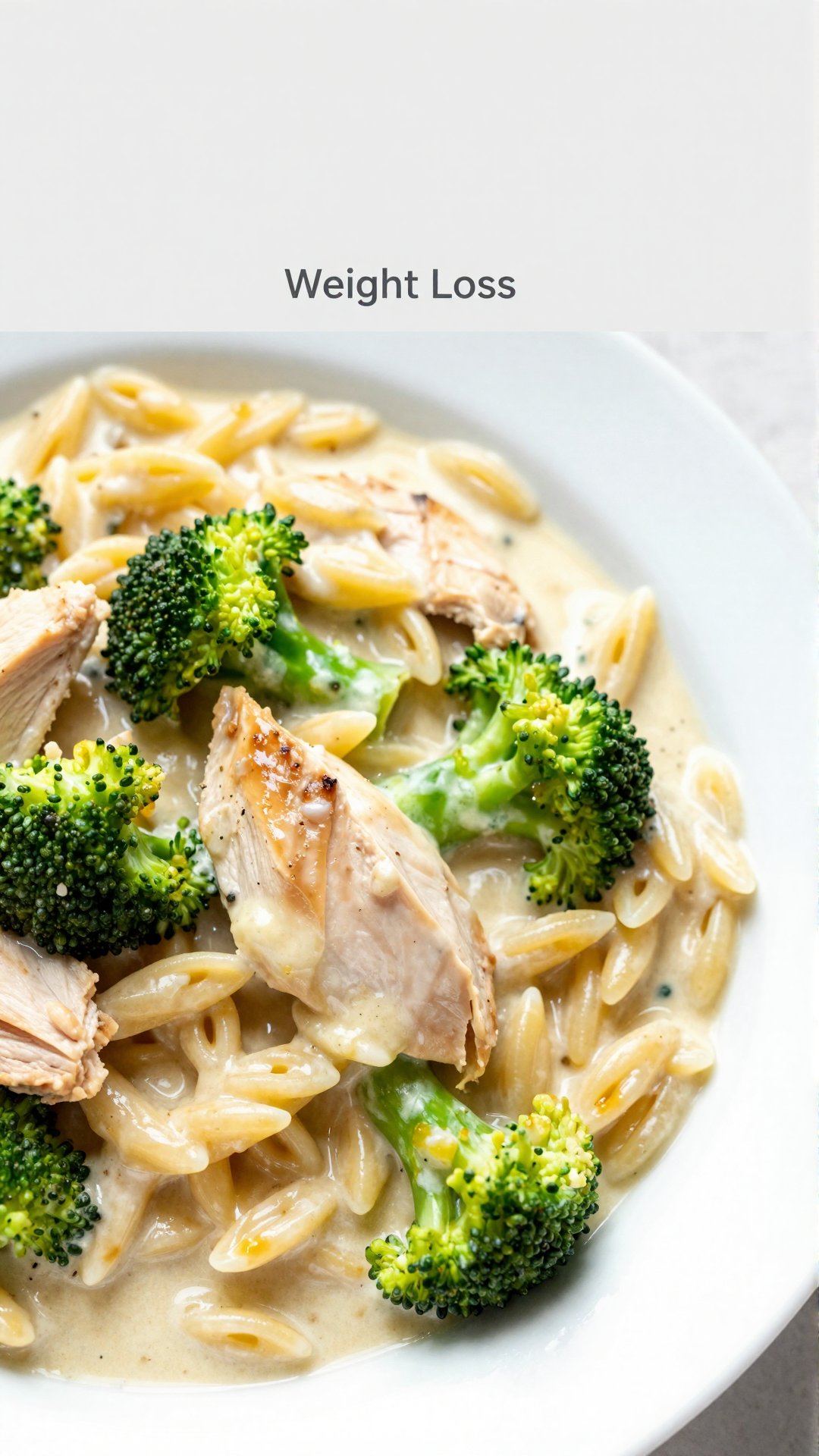
How I Lost Over 40 Pounds: My Journey to a Healthier Me
Hey there, friend! Ava here, back from my little corner of the internet. I’m excited to share something deeply personal with you: my weight loss journey. For years, I struggled with my weight, trying every fad diet and quick fix out there. But nothing seemed to stick. Then, about two years ago, I decided enough was enough. I was tired of feeling uncomfortable in my own skin, tired of the yo-yo dieting, and ready to make a real, lasting change. So, I embarked on a journey that not only transformed my body but also reshaped my relationship with food and myself. And guess what? I lost over 40 pounds, and I’ve kept it off!
This isn’t a story about deprivation or restrictive eating. It’s about finding balance, listening to my body, and making sustainable lifestyle changes. It’s about understanding that **weight loss** isn’t just about the numbers on the scale; it’s about feeling good, having energy, and living a vibrant life. **If you**’re ready to start your own journey, keep reading. I’m going to share the exact steps I took, the challenges I faced, and the lessons I learned along the way. I hope my story inspires you and gives you the tools you need to achieve your own health goals. I know **you can** do it!
Why You’ll Love This Approach
Trust me, I get it. The world of weight loss can be overwhelming and confusing. There are countless diets, programs, and products promising instant results. But I’m not here to sell you a miracle cure. I’m here to share a realistic, sustainable approach that worked for me—and that I believe can work for you too. This approach isn’t about quick fixes; it’s about building healthy habits that last a lifetime. And it’s something that **help you** maintain **your weight**. Here’s why you’ll love it:
- It’s Flexible: No rigid rules or strict meal plans. You can adapt this approach to your own preferences, lifestyle, and cultural background.
- It’s Sustainable: This isn’t a diet; it’s a lifestyle. You’ll learn how to make healthy choices that you can maintain long-term.
- It’s Empowering: You’ll gain a deeper understanding of your body, your hunger cues, and your relationship with food.
- It’s Delicious: Healthy eating doesn’t have to be boring! You’ll discover how to create flavorful, satisfying meals that nourish your body and delight your taste buds.
- It’s About More Than Just Weight Loss: This approach focuses on overall health and well-being, including energy levels, mood, sleep, and confidence. It’s about making choices **to help** you feel better, both inside and out.
The Core Principles of My Weight Loss Journey
Before we dive into the specific steps I took, let’s talk about the core principles that guided my journey. These principles are the foundation of everything I did, and they’re essential for creating lasting change:
- Focus on Whole, Unprocessed Foods: This means prioritizing fruits, vegetables, lean proteins, whole grains, and healthy fats. These foods are packed with nutrients and fiber, which will keep you feeling full and satisfied.
- Create a Calorie Deficit: To lose weight, you need to burn more calories than you consume. I achieved this by tracking my calorie intake and making conscious choices about what I ate.
- Engage in Regular Physical Activity: Exercise is crucial for burning calories, building muscle, and improving overall health. I incorporated both cardio and strength training into my routine. **Physical activity** is so important!
- Prioritize Sleep and Stress Management: Lack of sleep and chronic stress can sabotage your weight loss efforts. I made sure to get enough sleep and find healthy ways to manage stress.
- Be Patient and Consistent: Weight loss takes time and effort. There will be ups and downs along the way. The key is to stay patient, consistent, and committed to your goals. **It’s** a marathon, not a sprint!
Ingredients for Success
These are the ingredients I focused on incorporating into my diet. They’re not just foods; they’re fuel for your body and essential for successful **weight loss**:
- Lean protein (chicken, fish, beans): Essential for building and repairing muscle tissue, and keeps you feeling fuller longer.
- Lots of vegetables (leafy greens, broccoli, peppers): Packed with vitamins, minerals, and fiber, they’re low in calories and high in nutrients.
- Whole grains (oats, quinoa, brown rice): Provide sustained energy and fiber, which aids digestion and promotes satiety.
- Healthy fats (avocado, nuts, olive oil): Important for hormone production, brain function, and absorbing fat-soluble vitamins. They also add flavor and satisfaction to meals.
- Water: Crucial for hydration, digestion, and overall health. Aim for at least 8 glasses a day.
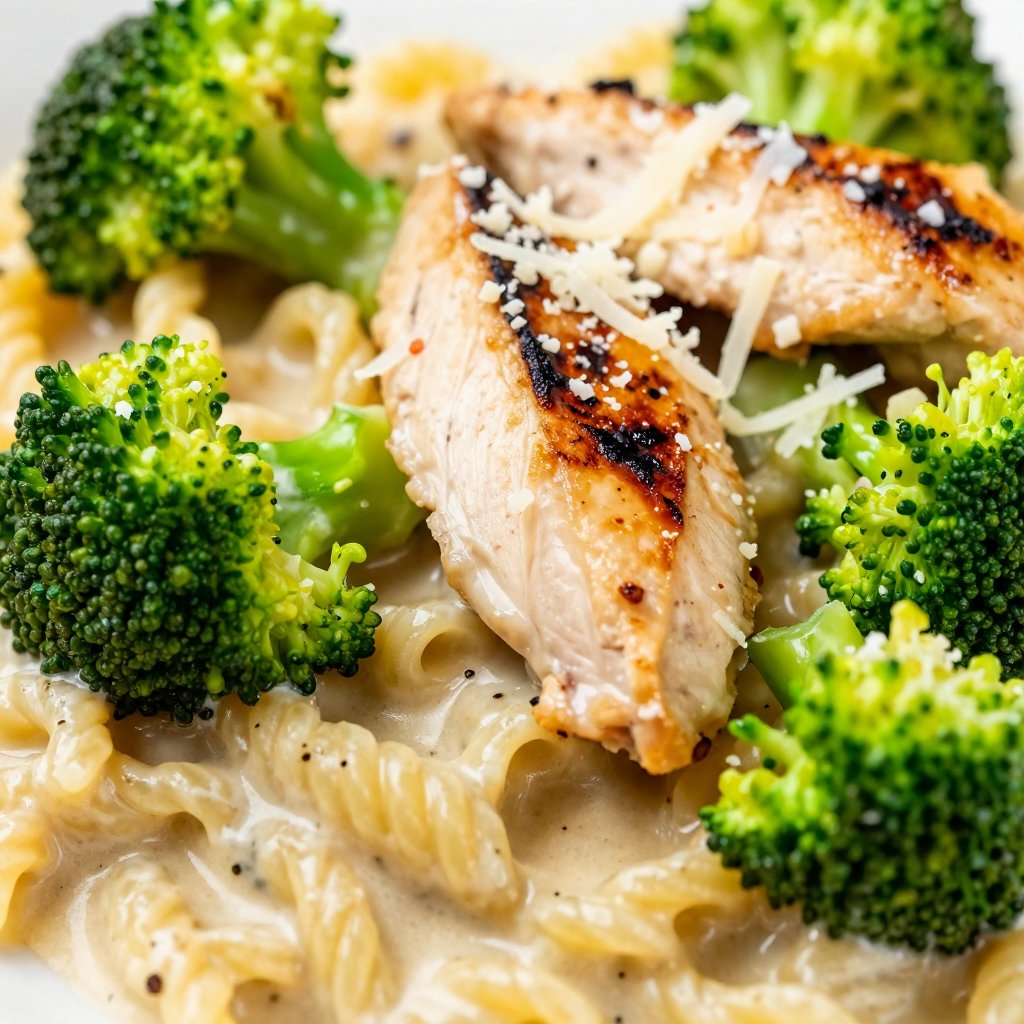
My 8-Step Guide to Losing Over 40 Pounds
Alright, let’s get down to the nitty-gritty. Here’s exactly what I did to lose over 40 pounds and keep it off. Remember, this is what worked for me, but feel free to adapt it to your own needs and preferences:
- Track your calorie intake using a food diary or app. This was a game-changer for me. It helped me become aware of how many calories I was actually consuming each day. **To lose** weight, you need to know where you stand.
- Aim for a calorie deficit of 500-750 calories per day. This is generally considered a safe and sustainable rate of weight loss.
- Focus on whole, unprocessed foods. I made a conscious effort to fill my plate with fruits, vegetables, lean proteins, and whole grains.
- Limit sugary drinks, processed snacks, and fast food. These are empty calories that can sabotage your weight loss efforts. **Such as** sodas and candy.
- Engage in regular exercise, including both cardio and strength training. I aimed for at least 30 minutes of exercise most days of the week.
- Get enough sleep (7-8 hours per night). Sleep is crucial for hormone regulation and overall health.
- Stay hydrated by drinking plenty of water. Water helps you feel full, boosts your metabolism, and flushes out toxins.
- Be patient and consistent with your efforts. Weight loss is a journey, not a destination. There will be setbacks along the way. The key is to stay committed to your goals and never give up. **You want** to succeed, right?
Pro Tips for Boosting Your Weight Loss
Want to take your weight loss to the next level? Here are a few pro tips that helped me stay on track and maximize my results:
- Plan Your Meals: Take some time each week to plan your meals and snacks. This will help you make healthier choices and avoid impulsive eating. If **you want to** get serious, planning is key.
- Cook at Home: Cooking your own meals gives you more control over the ingredients and portion sizes.
- Eat Mindfully: Pay attention to your hunger cues and eat slowly, savoring each bite. This will help you feel more satisfied and prevent overeating.
- Find a Support System: Surround yourself with people who support your weight loss goals. This could be friends, family, or an online community.
- Reward Yourself (Non-Food Rewards): Celebrate your successes with non-food rewards, such as a new workout outfit, a massage, or a weekend getaway.
Common Mistakes to Avoid
We all make mistakes, especially when we’re trying something new. Here are a few common weight loss mistakes to avoid:
- Setting Unrealistic Goals: Aim for slow and steady weight loss rather than trying to lose weight too quickly.
- Depriving Yourself: Restricting yourself too much can lead to cravings and binge eating.
- Skipping Meals: Skipping meals can slow down your metabolism and lead to overeating later in the day.
- Focusing Solely on the Scale: Weight is just one measure of health. Pay attention to how you feel, your energy levels, and your overall well-being.
- Giving Up After a Setback: Everyone has setbacks. The key is to learn from your mistakes and get back on track.
Delicious Variations to Keep Things Interesting
Healthy eating doesn’t have to be boring! Here are a few delicious variations to keep your meals exciting and satisfying:
- Spice It Up: Add spices like chili powder, cumin, or paprika to your meals for a flavor boost.
- Get Saucy: Use healthy sauces like salsa, hummus, or Greek yogurt to add flavor and moisture to your dishes.
- Veggie Power: Experiment with different vegetables and cooking methods to discover new favorites.
- Protein Swap: Try different sources of protein, such as chicken, fish, beans, tofu, or tempeh.
- Grain Game: Explore different whole grains, such as quinoa, brown rice, barley, or farro.
Storing Your Success
One of the best ways to stay on track with your weight loss goals is to meal prep. Here are a few tips for storing your meals and snacks:
- Invest in Quality Containers: Use airtight containers to keep your food fresh and prevent leaks.
- Portion Control: Pre-portion your meals and snacks to avoid overeating.
- Label Everything: Label your containers with the date and contents to keep track of what you have.
- Freeze for Later: Freeze extra portions of meals for busy days when you don’t have time to cook.
- Keep Snacks Handy: Keep healthy snacks like fruits, vegetables, and nuts readily available to avoid unhealthy cravings.
Frequently Asked Questions (FAQ)
Here are some of the most common questions I get asked about my weight loss journey:
- How long did it take you to lose 40 pounds? It took me about a year and a half to lose the weight. I focused on making sustainable changes rather than trying to lose weight quickly.
- Did you follow a specific diet? I didn’t follow a specific diet. I focused on eating whole, unprocessed foods and creating a calorie deficit.
- What kind of exercise did you do? I did a combination of cardio and strength training. I aimed for at least 30 minutes of exercise most days of the week.
- Did you ever cheat on your diet? Yes, I did! I allowed myself to indulge in my favorite foods occasionally. The key is to not let a cheat meal turn into a cheat day or week.
- What advice would you give to someone just starting their weight loss journey? Be patient, be consistent, and don’t give up! Weight loss takes time and effort. The key is to stay committed to your goals and celebrate your successes along the way.
Serving Suggestions and Meal Ideas
Here are a few meal ideas to get you started on your weight loss journey:
- Breakfast: Oatmeal with berries and nuts, Greek yogurt with fruit and granola, or a veggie omelet. These **high carb recipes** are a great start to the day.
- Lunch: Salad with grilled chicken or fish, lentil soup with whole-wheat bread, or a turkey and avocado wrap. Great **healthy recipes with protein**.
- Dinner: Baked salmon with roasted vegetables, chicken stir-fry with brown rice, or a vegetarian chili. These **simple protein recipes** are filling and nutritious.
- Snacks: Fruits, vegetables with hummus, nuts, or Greek yogurt. These **high protein and carb meals** can be a good option.
Maintaining a Healthy Weight: The Long Game
Losing weight is a significant accomplishment, but maintaining that weight loss is a whole other ballgame. It requires ongoing effort, commitment, and a willingness to adapt. Here’s what I’ve learned about maintaining a **healthy weight** long-term:
- Continue to Prioritize Healthy Habits: Don’t fall back into old habits once you’ve reached your goal weight. Continue to focus on eating whole, unprocessed foods, engaging in regular exercise, and prioritizing sleep and stress management. **Your health** depends on it.
- Listen to Your Body: Pay attention to your hunger cues and eat when you’re hungry. Don’t deprive yourself, but also don’t overeat.
- Stay Active: Find activities that you enjoy and make them a part of your routine. This could be anything from walking and hiking to dancing and swimming.
- Manage Stress: Find healthy ways to manage stress, such as yoga, meditation, or spending time in nature.
- Track Your Progress: Continue to weigh yourself regularly and track your measurements. This will help you stay aware of any changes and make adjustments as needed.
- Seek Support: Continue to surround yourself with people who support your healthy lifestyle. This could be friends, family, or an online community.
The Importance of Sleep for Weight Loss
Sleep is often overlooked when it comes to weight loss, but it’s actually a crucial factor. When you don’t get enough sleep, your body produces more of the stress hormone cortisol, which can lead to increased appetite and cravings. Lack of sleep can also disrupt your metabolism and make it harder to burn calories. Aim for 7-8 hours of sleep per night. Here are a few tips for improving your sleep habits:
- Establish a Regular Sleep Schedule: Go to bed and wake up at the same time each day, even on weekends.
- Create a Relaxing Bedtime Routine: Take a warm bath, read a book, or listen to calming music before bed.
- Make Your Bedroom Dark, Quiet, and Cool: These conditions are ideal for sleep.
- Avoid Caffeine and Alcohol Before Bed: These substances can interfere with sleep.
- Exercise Regularly: Regular exercise can improve sleep quality, but avoid exercising too close to bedtime.
The Role of Stress Management in Weight Loss
Stress can also sabotage your weight loss efforts. When you’re stressed, your body releases cortisol, which can lead to increased appetite and cravings. Chronic stress can also disrupt your metabolism and make it harder to burn calories. Find healthy ways to manage stress, such as yoga, meditation, or spending time in nature. Here are a few tips for managing stress:
- Practice Relaxation Techniques: Deep breathing, meditation, and yoga can help you calm your mind and body.
- Get Regular Exercise: Exercise is a great way to relieve stress and improve your mood.
- Spend Time in Nature: Spending time in nature can lower your stress levels and improve your overall well-being.
- Connect with Others: Social support can help you cope with stress.
- Set Boundaries: Learn to say no to things that drain your energy and increase your stress levels.
The Power of Mindful Eating
Mindful eating is a practice that involves paying attention to your hunger cues and eating slowly, savoring each bite. It can help you become more aware of your relationship with food and prevent overeating. Here are a few tips for practicing mindful eating:
- Eat When You’re Hungry: Don’t eat out of boredom, stress, or emotions.
- Eat Slowly: Put your fork down between bites and chew your food thoroughly.
- Savor Each Bite: Pay attention to the taste, texture, and smell of your food.
- Eliminate Distractions: Turn off the TV, put away your phone, and focus on your meal.
- Listen to Your Body: Stop eating when you’re full, even if there’s still food on your plate.
Seeking Professional Guidance: When to Consult a Health Care Provider
While my journey and the tips I’ve shared have been effective for me, it’s essential to acknowledge that everyone’s body and circumstances are different. There are times when seeking professional guidance from a **health care** provider or a registered dietitian is crucial. Here’s when you should consider consulting a professional:
- Underlying Health Conditions: If you have any underlying health conditions, such as diabetes, heart disease, or thyroid problems, it’s essential to consult with your doctor before starting any weight loss program.
- Medications: Certain medications can affect your weight. If you’re taking any medications, talk to your doctor about how they might impact your weight loss efforts.
- Significant Weight Loss Goals: If you have a significant amount of weight to lose, a registered dietitian can help you develop a personalized meal plan and provide ongoing support.
- Eating Disorders: If you have a history of eating disorders, it’s essential to seek professional help from a therapist or counselor who specializes in eating disorders.
- Lack of Progress: If you’re not seeing results despite your best efforts, a health care provider can help you identify any underlying issues that may be hindering your progress.
The Mental and Emotional Side of Weight Loss
Weight loss is not just a physical journey; it’s also a mental and emotional one. It’s important to address the underlying emotional issues that may be contributing to your weight gain. Here are a few tips for addressing the mental and emotional side of weight loss:
- Identify Your Emotional Triggers: What situations or emotions trigger you to overeat?
- Develop Healthy Coping Mechanisms: Find healthy ways to cope with stress and emotions, such as exercise, yoga, or meditation.
- Practice Self-Compassion: Be kind to yourself and don’t beat yourself up over mistakes.
- Seek Support: Talk to a therapist, counselor, or support group about your emotional challenges.
- Celebrate Your Successes: Acknowledge and celebrate your accomplishments, no matter how small.
The Importance of Setting Realistic Goals
Setting realistic goals is crucial for success in any endeavor, including weight loss. Unrealistic goals can lead to frustration, discouragement, and ultimately, failure. Here are a few tips for setting realistic goals:
- Start Small: Don’t try to change everything at once. Start with one or two small goals and gradually add more as you progress.
- Be Specific: Instead of saying “I want to lose weight,” say “I want to lose 1-2 pounds per week.”
- Make Your Goals Measurable: Track your progress so you can see how far you’ve come.
- Make Your Goals Achievable: Set goals that you can realistically achieve given your current lifestyle and circumstances.
- Be Flexible: Be willing to adjust your goals as needed. Life happens, and sometimes you need to be flexible.
Understanding Your Body Composition
While the number on the scale is one way to measure progress, it doesn’t tell the whole story. Understanding your body composition—the ratio of muscle to fat—can provide a more comprehensive picture of your health and fitness. Here’s why body composition matters:
- Muscle Burns More Calories: Muscle tissue burns more calories at rest than fat tissue. So, the more muscle you have, the higher your metabolism will be.
- Body Composition Affects Your Health: A healthy body composition is associated with a lower risk of chronic diseases, such as heart disease, diabetes, and cancer.
- Body Composition Can Change Without Weight Change: You can lose fat and gain muscle without seeing a change on the scale. That’s why it’s important to track your body composition in addition to your weight.
There are several ways to measure your body composition, including:
- Skinfold Calipers: This method involves measuring the thickness of skinfolds at various points on your body.
- Bioelectrical Impedance Analysis (BIA): This method involves sending a small electrical current through your body and measuring the resistance.
- Dual-Energy X-ray Absorptiometry (DEXA): This method uses X-rays to measure bone density, muscle mass, and fat mass.
The Importance of Hydration for Weight Loss
Staying hydrated is crucial for overall health and plays a significant role in weight loss. Water helps your body function properly and can even boost your metabolism. Here’s why hydration is important:
- Water Helps You Feel Full: Drinking water before meals can help you feel fuller and eat less.
- Water Boosts Your Metabolism: Dehydration can slow down your metabolism. Staying hydrated helps keep your metabolism running efficiently.
- Water Helps Your Body Burn Fat: Water is essential for the process of lipolysis, which is the breakdown of fat for energy.
- Water Helps Flush Out Toxins: Water helps your body eliminate waste products and toxins.
Aim to drink at least 8 glasses of water per day. You can also get fluids from other sources, such as fruits, vegetables, and soups.
Celebrating Non-Scale Victories
Weight loss is about more than just the number on the scale. It’s about improving your overall health, energy levels, and well-being. That’s why it’s important to celebrate non-scale victories along the way. Here are a few examples of non-scale victories:
- Fitting into Smaller Clothes: This is a tangible sign that you’re losing fat.
- Having More Energy: Weight loss can lead to increased energy levels.
- Sleeping Better: Weight loss can improve sleep quality.
- Feeling More Confident: Weight loss can boost your self-esteem and confidence.
- Being Able to Do More Physical Activities: Weight loss can make it easier to do things like walking, running, and climbing stairs.
Final Thoughts: My Journey and Yours
My weight loss journey was a transformative experience. It taught me so much about myself, my body, and my relationship with food. It wasn’t always easy, but it was definitely worth it. I hope my story has inspired you and given you the tools you need to achieve your own health goals. Remember, **what you** eat is important. **For example**, focus on eating balanced meals. And remember that a **healthy weight** is about more than just the number on the scale. It’s about feeling good, having energy, and living a vibrant life. Be patient, be consistent, and never give up on yourself. You got this!
And one more thing: weight loss is a personal journey. **Your goals and**, more importantly, how you achieve them, are unique to you. Don’t compare yourself to others. Focus on your own progress and celebrate your successes along the way. If you’re ready **to help you lose** weight, start today. Make one small change and build from there. Before you know it, you’ll be well on your way to a healthier, happier you. Remember, it’s always possible to **lose weight safely and** effectively. And always remember, **enough sleep** is essential for success.
Cheers to your health! – Ava
How I Lost Over 40 Pounds C2a4f2a5d8c5
Ingredients
Ingredients
- 1 serving Lean protein (chicken, fish, beans) (Choose your preferred source)
- 2 cups Lots of vegetables (leafy greens, broccoli, peppers) (Variety is key)
- 0.5 cup Whole grains (oats, quinoa, brown rice) (Cooked)
- 1 serving Healthy fats (avocado, nuts, olive oil) (In moderation)
- 8 cups Water (Throughout the day)
Instructions
- Track your calorie intake using a food diary or app.
- Aim for a calorie deficit of 500-750 calories per day.
- Focus on whole, unprocessed foods.
- Limit sugary drinks, processed snacks, and fast food.
- Engage in regular exercise, including both cardio and strength training.
- Get enough sleep (7-8 hours per night).
- Stay hydrated by drinking plenty of water.
- Be patient and consistent with your efforts.
Notes