
This post contains affiliate links. As an Amazon Associate, I earn from qualifying purchases. This comes at no extra cost to you.
Pumpkin Cream Cheese Muffins Recipe
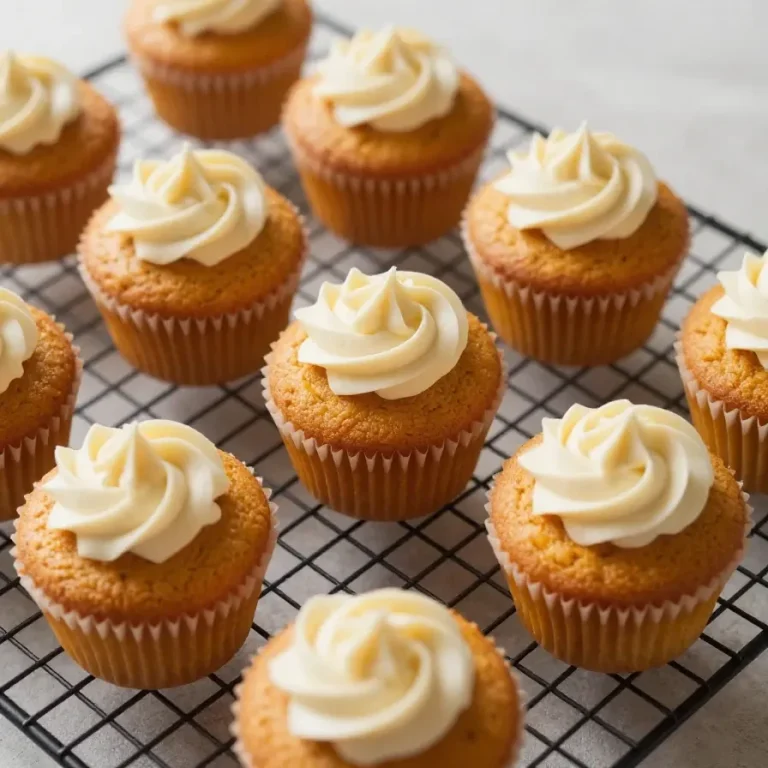
Best pumpkin cream cheese muffins are fluffy, spiced treats made with canned pumpkin puree, warm spices like cinnamon and nutmeg, and a touch of sweetened cream cheese blended in. Ready in just 35 minutes, these muffins yield 12 servings of moist, flavorful goodness. They’re the perfect snack for fall mornings or cozy gatherings.
Growing up in Oregon, pumpkin-filled treats were a fall staple. The warm aroma of cinnamon and nutmeg instantly transports me back to crisp mornings baking with my mom.
Table of Contents
- What makes Pumpkin Cream Cheese Muffins special?
- What ingredients do you need for Pumpkin Cream Cheese Muffins?
- How do you make Pumpkin Cream Cheese Muffins step by step?
- Frequently Asked Questions About Pumpkin Cream Cheese Muffins
- How do you store and reheat Pumpkin Cream Cheese Muffins?
- What are some swaps for this recipe?
What makes Pumpkin Cream Cheese Muffins special?
These muffins stand out with their perfect balance of spiced pumpkin flavor and creamy richness. They’re moist, tender, and topped with optional nuts for a delightful crunch.
- The combination of spices like cinnamon, nutmeg, and ginger makes them the ultimate fall treat.
- Softened cream cheese adds a velvety texture that pairs beautifully with the pumpkin base.
- They’re incredibly easy to prepare in under 35 minutes, making them perfect for busy mornings.
- Customizable for different tastes—add walnuts for crunch or keep them smooth and creamy.
What ingredients do you need for Pumpkin Cream Cheese Muffins?
This recipe uses pantry staples and seasonal favorites to create 12 perfect muffins. Here’s everything you’ll need:
- 1 cup canned pumpkin puree
- 1/2 cup cream cheese, softened
- 1/2 cup granulated sugar
- 1/2 cup brown sugar
- 1/2 cup vegetable oil
- 2 large eggs
- 1 teaspoon vanilla extract
- 1 1/2 cups all-purpose flour
- 1 teaspoon baking powder
- 1/2 teaspoon baking soda
- 1 teaspoon ground cinnamon
- 1/2 teaspoon ground nutmeg
- 1/4 teaspoon ground ginger
- 1/4 teaspoon salt
- 1/4 cup chopped walnuts or pecans (optional)
The pumpkin puree is the heart of this recipe, delivering moisture and authentic flavor. Softened cream cheese creates that irresistibly creamy texture that sets these muffins apart.
How do you make Pumpkin Cream Cheese Muffins step by step?
The process is straightforward and beginner-friendly. From mixing to baking, you’ll have your muffins ready in no time!
Step 1 — Preheat the Oven
Preheat your oven to 350°F (175°C) and line a muffin tin with paper liners.
Step 2 — Mix Wet Ingredients
In a mixing bowl, combine the pumpkin puree, softened cream cheese, granulated sugar, brown sugar, vegetable oil, eggs, and vanilla extract. Mix until smooth and well combined.
You might also enjoy our pumpkin cream cheese swirl muffins.
Step 3 — Combine Dry Ingredients
In another bowl, whisk together the flour, baking powder, baking soda, cinnamon, nutmeg, ginger, and salt.
Step 4 — Combine Wet and Dry Ingredients
Gradually add the dry ingredients to the pumpkin mixture, stirring until just combined. Be careful not to overmix.

Step 5 — Add Nuts (Optional)
If using, fold in the chopped walnuts or pecans for a nutty crunch.
Step 6 — Fill the Muffin Tin
Spoon the batter into the prepared muffin tin, filling each cup about 2/3 full.
Step 7 — Bake and Cool
Bake in the preheated oven for 18-20 minutes, or until a toothpick inserted into the center comes out clean. Allow the muffins to cool in the tin for 5 minutes, then transfer them to a wire rack to cool completely.
For more ideas, check out our gluten free pumpkin cream cheese muffins.
Frequently Asked Questions About Pumpkin Cream Cheese Muffins
Can I make these muffins gluten-free?
Yes, substitute the all-purpose flour with a gluten-free flour blend designed for baking. The texture will still be soft and tender.
How should I store these muffins?
Store the muffins in an airtight container at room temperature for up to 3 days. For longer storage, refrigerate them for up to a week.
Can I freeze these muffins?
Yes, freeze the fully cooled muffins in an airtight container or freezer bag for up to 3 months. Thaw at room temperature before enjoying.
What’s the best way to reheat them?
Reheat individual muffins in the microwave for 15-20 seconds, or warm them in the oven at 300°F for 5-10 minutes.
Can I omit the nuts?
Absolutely! The muffins are just as delicious without the optional walnuts or pecans.
Looking for something similar? Try our pumpkin cream cheese muffins.
How do you store and reheat Pumpkin Cream Cheese Muffins?
These muffins are easy to store and reheat, making them perfect for meal prepping or freezing for later use. Follow these tips for the best results:
Store the muffins in an airtight container for up to 3 days at room temperature or a week in the refrigerator. To freeze, place the cooled muffins in a freezer-safe bag or container and keep them for up to 3 months. For reheating, a microwave or oven works perfectly to restore their softness.
What are some swaps for this recipe?
Whether you’re out of an ingredient or looking to adjust for dietary needs, here’s how to tweak the recipe:
- Swap the vegetable oil with melted coconut oil for a slight tropical undertone.
- Replace the cream cheese with a dairy-free alternative to make the muffins lactose-free.
- Use maple syrup instead of granulated sugar for a natural sweetness with added depth.
Each substitution will slightly alter the flavor or texture, but the muffins will still be delightful!
Pumpkin Cream Cheese Muffins
Equipment
- mixing bowl
- muffin tin
- whisk
- oven
- spatula
Ingredients
- 1 cup canned pumpkin puree
- 1/2 cup cream cheese (softened)
- 1/2 cup granulated sugar
- 1/2 cup brown sugar
- 1/2 cup vegetable oil
- 2 large eggs
- 1 tsp vanilla extract
- 1 1/2 cups all-purpose flour
- 1 tsp baking powder
- 1/2 tsp baking soda
- 1 tsp ground cinnamon
- 1/2 tsp ground nutmeg
- 1/4 tsp ground ginger
- 1/4 tsp salt
- 1/4 cup chopped walnuts or pecans (optional)
Instructions
- Preheat your oven to 350°F (175°C) and line a muffin tin with paper liners.
- In a mixing bowl, combine the pumpkin puree, softened cream cheese, granulated sugar, brown sugar, vegetable oil, eggs, and vanilla extract. Mix until smooth and well combined.
- In another bowl, whisk together the flour, baking powder, baking soda, cinnamon, nutmeg, ginger, and salt.
- Gradually add the dry ingredients to the pumpkin mixture, stirring until just combined. Be careful not to overmix.
- If using, fold in the chopped walnuts or pecans.
- Spoon the batter into the prepared muffin tin, filling each cup about 2/3 full.
- Bake in the preheated oven for 18-20 minutes, or until a toothpick inserted into the center comes out clean.
- Allow the muffins to cool in the tin for 5 minutes, then transfer them to a wire rack to cool completely.
Notes

Loved this recipe? Save it to your favorite Pinterest board so you can easily find it later! ✨